

There is no hard and fast definition for military boots, but generally they refer to boots that were originally designed for use by the military or law enforcement. Tactical footwear has had a varied history, dating all the way back to the Ancient Assyrians and Romans, but today's boots feature the latest technologies and the highest-grade materials. There are also more options than ever before, so you can be sure to find boots that suit your specific needs. Let's take a look at some of those features and materials that separate tactical boots from other kinds of footwear.
Why Choose Us
Professional R&D team
We have internationally leading assembly line equipment, production technology, and testing equipment, as well as a professional R&D team, quality inspection team, and excellent sales and service team, providing the highest quality products and services to new and old customers.
Foreign trade market
After nearly 30 years of development, our customers are spread all over the world, including countries and regions such as the United States, Canada, Mexico, Germany, Finland, Russia, France, the United Kingdom, Italy, etc.
Quality Standards
To ensure the high quality standards of our products, we only use raw materials that comply with international quality standards and environmental conventions.
Perfect after-sales
We have a comprehensive after-sales service system to provide comprehensive services to every customer.
-
![Bromobutyl Rubber Military Boots]() Bromobutyl Rubber Military BootsThe upper is bromobutyl rubber.. The sole material is natural rubber, styrene butadiene rubber and butadiene rubber.. The upper metal buckle does not contain nickel.. The boots meet CE, REACHread more
Bromobutyl Rubber Military BootsThe upper is bromobutyl rubber.. The sole material is natural rubber, styrene butadiene rubber and butadiene rubber.. The upper metal buckle does not contain nickel.. The boots meet CE, REACHread more -
![Inflatable Rubber Boots with Valve]() Inflatable Rubber Boots with ValveThe boots have been the ultimate in cold weather foot protection since their creation during the Korean War. The air valve on the side of the boot was created to allow pilots to open them prior toread more
Inflatable Rubber Boots with ValveThe boots have been the ultimate in cold weather foot protection since their creation during the Korean War. The air valve on the side of the boot was created to allow pilots to open them prior toread more


Benefits of Military Boots
Comfortability
Military boots provide extra cushion that other shoes or boots don't. This cushioning foam allows heavy abuse over time. Due to this, you won't have to worry about being careful of your shoes. You can enjoy going about your day without worrying if your shoes and feet will suffer. In fact, many of these boots have heel and arch support to reduce pressure on the feet and toes. The process of stitching military boots together supports comfortability. Less foot fatigue prevents things like plantar fasciitis, bunions, and back issues down the road.
Breathability
A major benefit is the breathability that military boots allow. Various modern military boots are a bit different in design but provide breathability. For example, they can have vented holes and mesh linings to increase air flow. This also allows drainage if there are wet conditions. It also helps with the issue of sweat. Breathability prevents sweat from getting trapped inside. In turn, your feet don't get cold or prune up from this issue.
Lightweight design
Many people spend between 8 and 14 hours on our feet a day. If this is you, you may be feeling the hours on your feet by the evening. Effective footwear should help your feet feel healthy, and military military boots do this by being extremely lightweight. Their ergonomic boot structure will have your feet thanking you. Knowing about this important feature helps you understand why military boots can be good for everyday wear.
Application of Military Boots
Military & armed forces
The original users of military boots, and still by far the biggest consumers today; those in the armed forces are required to wear military boots as part of their daily uniform. Though originally issued military boots by the military, today's servicemembers are able to choose among dozens of different models and brands to find boots that meet their needs and regulations. There are military boots designed specifically with each branch of the armed forces in mind, and servicemembers are sure to find boots that are both protective and supportive throughout training and while out in the field.
Law enforcement
Law enforcement officers, otherwise known as police officers, will often wear military boots while on patrol. Since they never know what type of situation they might be called to, it is in their best interest to wear footwear that is designed to handle anything. Police can also be on their feet for many hours a day, and need boots that won't cause pain or strain while on duty.
Emergency responders
Emergency medical services (ems) may also wear military boots, for similar reasons to law enforcement officers. When ems are dispatched to the scene of an emergency, they can never be quite sure what they're going to find, and need to have boots that are prepared for anything. Ems are also on their feed for long hours, going between emergency scenes and the ambulance, and they need boots that will support their feet, provide traction on different surfaces, and protect them from whatever they might encounter.
Security guards & other safety personnel
Security guards, bodyguards, armored car drivers, and other safety personnel will also often choose to wear military boots, again for similar reasons to law enforcement officers. When you're unsure what you might be facing while on the job, military boots are a great choice to make sure your feet are prepared and protected.
Hikers
While many hikers will opt for traditional hiking boots, there is a growing movement of people who choose to use military boots instead! Many military boots are specifically designed for soldiers hiking through the mountainous regions of the middle east. The properties that make military boots excellent for those military purposes also make them an outstanding choice for hikers embarking on challenging multi-day hikes.
Rucking
Rucking is an athletic pursuit that originated out of the military activity of ruck marching, or walking long distances with weight on your back. While many people who participate in rucking are active duty or veterans who want to stay in shape, there are also civilians who participate because it is a great form of exercise! Though you can ruck in many kinds of footwear for rucking, military boots are a great and highly favored option, because they're designed with this activity in mind.
Military Boots Components

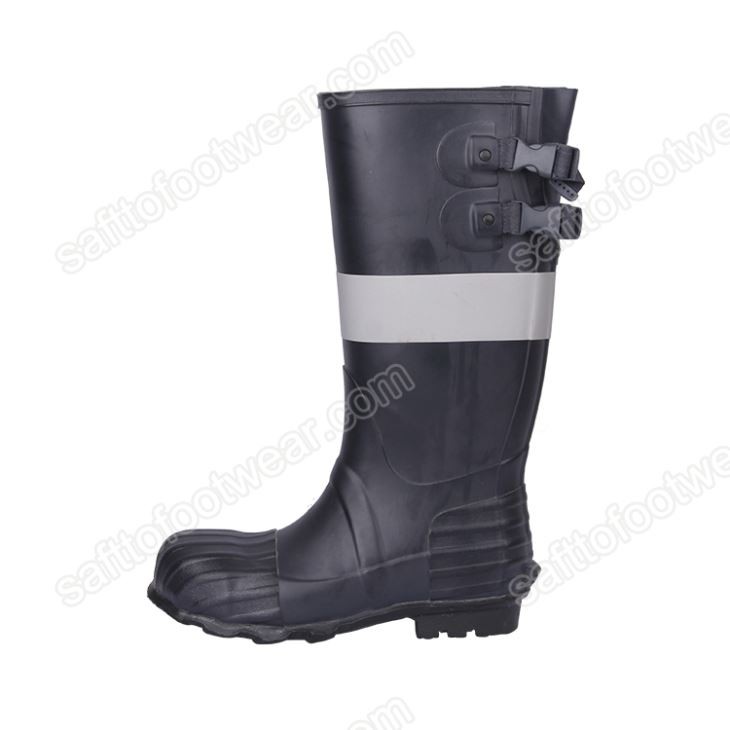

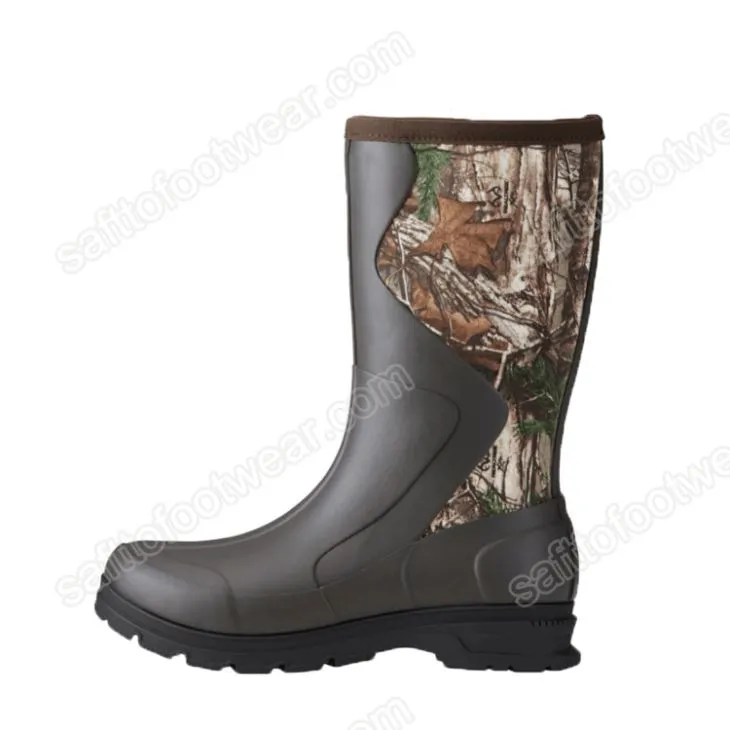
Toe cap
Depending on the type of footwear, various toe caps are available which meet different minimum requirements. A protective toe cap on Military Boots must withstand test energy of 200 J under a drop test and 15 kN in a static pressure test. A total of 100 J or 10 kN are mandatory for protective shoes, while occupational shoes do not require caps. Steel, aluminium and plastic caps are currently all used in Military Boots, with the same minimum requirements for all materials. For example, a plastic cap is used in our uvex 1 range. The advantages of this are twofold: firstly, plastic caps are lighter than metal ones and, secondly, they allow a totally metal-free shoe to be manufactured. This aspect is particularly important in certain areas, for example in airports.
Upper material
In addition to an assortment of leather types (smooth, nubuck and split leather), textiles and synthetic materials are also used. For example, our uvex 1 range features micro-velour. The different characteristics determine the use of the respective materials for various applications. These include, but are not limited to: breathability, non-slip, water permeability, weight, price, allergy risk, heat conductivity, fire resistance and cleanability. For example, micro-velour is considerably more breathable than either smooth or nubuck leather, whereas leather performs somewhat better in terms of stability.
Lining material
The shoe lining is in direct contact with the foot inside the shoe. The lining material therefore fulfils important tasks such as guaranteeing breathability, water vapour permeability and absorption, climate control and quick drying capacity, as well as high levels of rub and abrasion resistance. In addition, it should feel comfortable for the wearer. Various materials are also used for this purpose: leather, textiles, thermo-regulating textile materials and membranes.
Heel cap
In order to offer the best possible protection against going over on the ankle and to facilitate a pleasant fit, the rear of the shoe features what is known as a heel cap. This can be made from card, bonded leather, thermoplastic foil or thermoplastic rubber. Shaping the outsole is also possible, which would then replace the heel cap inside the shoe. As the picture shows, the uvex 1 features the latter. The advantages of these formed caps are in the anatomic heel design and consistent quality.
Padding
The collar and tongue area are softly cushioned. This helps evenly distribute the pressure generated from the lacing system across the instep and to improve wearer comfort at the shaft. It is important to use soft, yielding materials, particularly in the area surrounding the Achilles tendon, so as to avoid irritation.
Lacing
The shoe cross-section shows the elastic lacing system. This has the advantage of being quick and easy to fasten, staying in place all day without needing to be retightened. The elastic laces also offer greater flexibility over the course of the day as they expand if the feet swell up, which eases pressure. In addition to elastic fast lacing systems, more traditional shoelaces are also common in safety footwear.
How to Choose Military Boots
Between Sizes
If you can't decide between two sizes, it's generally better to go with the larger size. This will give your workers' feet some room to breathe and accommodate for any swelling that may occur during a long day of work.
Seasonal Changes
The right size may vary with the seasons. In cold weather, your workers may be wearing thicker socks or even double socks to keep their feet warm. Similarly, some safety shoes come with insulating lining for cold weather. Make sure there is enough room to accommodate these additions without making the shoe too tight. On the other hand, in warm weather, your workers' feet may tend to swell more, so it's important to have shoes that won't become too tight.
Try-On
If possible, always select a small group of workers for a try-on before purchasing. Ask them to walk around and get a feel for the fit. Uncomfortable shoes can cause distraction and discomfort, and on a job site, that can be dangerous.
Work Socks
When trying on safety shoes, ask your workers to wear the same type of socks that they would typically wear to work. This will give them a more accurate feel for how the shoes will fit during their workday.
Process of Military Boots
Cutting the Military Boots Parts
Workers use movable, hydraulic machines to die-cut sections of the Military Boots vamp parts or vamp. The machines can cut through leather or synthetic materials depending on what's being used to make the shoe. Different die sizes and designs are used to achieve patterns for different shoes.
Sewing the Military Boots Parts Together
Sewing machines stitch the cut pieces together to make the vamp or Military Boots upper parts. Meanwhile, the foot front or toe area is being prepared. During this stage of the Military Bootss manufacturing process, a machine also attaches metal hooks or eyelets (if the shoe is designed to use laces).
Shaping the Military Boots
The protective midsole is attached at this stage as required. After that, the mold or shoe last it attached. The last is shaped to take the form of the final product and serves to give the shoe its shape. It's at this point where the Military Boots toe cap is also installed. The cap can be steel, composite, and other material.
Making the Military Boots Sole
The Military Boots sole is prepared is using the required method. After that, it's attached to the shoe upper. The sole may be mold injected, sewn, or glued to the upper. The shoe is then sanded to remove imperfections such as excess material and the shoe last or mold removed.
Military Boots Final Touches
Finally, the Military Boots is buffed and polished. This gives them a more finished appearance. Laces, zippers, and other types of closures are also usually added during this stage of the Military Bootss manufacturing process. Other additions include inserting the insole and attaching the label.
Military Boots Quality Controls
Once they're finished, Military Bootss are checked for quality in what's called shoes testing and quality control using specialized measuring instruments. After that, the shoes are packed in boxes. Note that the final touches vary across different Military Bootss manufacturers and involve different inspection processes or machines.
How to Maintain Military Boots
Remove Excess Dirt
Using a soft-bristled brush, remove excess dirt and debris from the boots. Make sure to clean the grooves and seams thoroughly.
Clean the Boots
Mix mild soap or boot cleaner with warm water. Dampen a cloth or sponge in the soapy water and gently clean the boots. Avoid soaking the boots; just ensure they are damp enough to clean the surface.
Dry Properly
After cleaning, allow the boots to air dry naturally. Avoid using direct heat sources like heaters or hair dryers, as extreme heat can damage the leather.
Condition the Leather
Once the boots are dry, apply a suitable boot polish or conditioner. This helps in restoring the natural oils of the leather and keeps it supple. Use a soft cloth or brush to apply the conditioner evenly.
Polish for Shine
If you prefer a shiny finish, you can polish your boots after conditioning. Apply a small amount of polish and buff the boots with a brush or soft cloth in a circular motion until you achieve the desired shine.
Protect Your Boots
To enhance the water resistance of your military boots, consider applying a waterproofing spray or wax. This additional layer of protection will keep your boots safe from moisture and prolong their life.
Regular Maintenance
Regularly clean and condition your military boots, especially after exposure to mud, water, or harsh conditions. By maintaining a routine, you ensure the longevity and performance of your boots.
Our Factory
Our factory was established in 1992 as a designated supplier for the Chinese military and a designated laboratory of the Military Biochemical Research Institute. We specialize in the production of various protective boots, including military boots, CBRN overboots, NBC gloves, special function protective boots, hunting boots, fishing and wading shoes, mining boots, fire boots, oilfield boots, and anti smashing and anti puncture insulation boots.We have internationally leading assembly line equipment, production technology, and testing equipment, as well as a professional R&D team, quality inspection team, and excellent sales and service team, providing the highest quality products and services to new and old customers.
To ensure the high quality standards of our products, we only use raw materials that comply with international quality standards and environmental conventions. We are responsible for the quality of our after-sales products.After nearly 30 years of development, our customers are spread all over the world, including countries and regions such as the United States, Canada, Mexico, Germany, Finland, Russia, France, the United Kingdom, Italy, etc.


FAQ
Q: What is the army regulation for boots?
Q: What color boots are authorized with OCP?
Q: Can you wear 6 inch boots in the army?
Q: Can military boots have logos?
Q: How many inches do military boots give you?
Some people need the extra support and protection that only an 8-inch boot can provide. Certain police forces and security positions require them, and each branch of the military does, too.
Q: What is the difference between military boots and tactical boots?
Q: Should military boots be tight or loose?
Q: Why do Marines blouse their boots?
Q: How do I know if my military boots fit?
Q: Why are army boots so high?
Q: Can I wear my military boots with civilian clothes?
Q: Why are military boots so heavy?
Q: Do you tuck leggings into combat boots?
Q: Re military boots good for everyday use?
Q: How to make military boots more comfortable?
Q: How much room should you have in military boots?
Q: Why do soldiers wear boots instead of sneakers?
Q: Why did Marines stop wearing black boots?
Q: Why do Marines wear dog tags in boots?
Q: What is the Army regulation for boots?
As one of the most professional military boots manufacturers and suppliers in China, we warmly welcome you to wholesale high quality military boots made in China from our factory. Also, customized service is available.
footwear for balance problems, muddy environment footwear, footwear for geriatric care