

Rubber Work boots are the pinnacle of precision engineering, seamlessly blending comfort, protection, and durability. Beyond their utilitarian design, these specialized foot companions prioritize both safety and comfort, offering cushioned insoles and ergonomic support while guarding against workplace hazards like falling objects and sharp debris.With each step, work boots serve as a steadfast partner, enabling you to navigate labor-intensive tasks with confidence and ease, knowing that your feet are shielded by a legacy of craftsmanship and unwavering commitment to excellence.
Why Choose Us
Professional R&D team
We have internationally leading assembly line equipment, production technology, and testing equipment, as well as a professional R&D team, quality inspection team, and excellent sales and service team, providing the highest quality products and services to new and old customers.
Foreign trade market
After nearly 30 years of development, our customers are spread all over the world, including countries and regions such as the United States, Canada, Mexico, Germany, Finland, Russia, France, the United Kingdom, Italy, etc.
Quality Standards
To ensure the high quality standards of our products, we only use raw materials that comply with international quality standards and environmental conventions.
Perfect after-sales
We have a comprehensive after-sales service system to provide comprehensive services to every customer.
-
![Coal Mining Rubber Working Boots]() Coal Mining Rubber Working BootsItem: Coal mining rubber working bootsBrand Name:OEMModel Number:SFT-HT23174825Material:Rubber,Gender:ManFeature:WaterproofMOQ:1000pairsread more
Coal Mining Rubber Working BootsItem: Coal mining rubber working bootsBrand Name:OEMModel Number:SFT-HT23174825Material:Rubber,Gender:ManFeature:WaterproofMOQ:1000pairsread more -
![Rubber Work Boots for Foot Safety]() Rubber Work Boots for Foot SafetyWaterproof vulcanized rubber with neoprene comfort upper. 5mm Neoprene insulation. Shock absorbing EVA midsole. outsole with non-tracking tread designread more
Rubber Work Boots for Foot SafetyWaterproof vulcanized rubber with neoprene comfort upper. 5mm Neoprene insulation. Shock absorbing EVA midsole. outsole with non-tracking tread designread more -
![Rubber Boots for Farm Work]() Rubber Boots for Farm WorkWhether you are a brand seller or an agent, the quality of the boots is the guarantee of market sales,Our rubber work boots use the best raw materials and the perfect craftsmanship.These rubber bootsread more
Rubber Boots for Farm WorkWhether you are a brand seller or an agent, the quality of the boots is the guarantee of market sales,Our rubber work boots use the best raw materials and the perfect craftsmanship.These rubber bootsread more -
![Rubber Work Boots for the Oil Industry]() Rubber Work Boots for the Oil IndustryItem: Rubber work boots for the oil industryBrand Name:OEMModel Number:SFT-HT231740Material:RubberGender:ManFeature:Waterproof,Oil resistant.MOQ:1000pairsread more
Rubber Work Boots for the Oil IndustryItem: Rubber work boots for the oil industryBrand Name:OEMModel Number:SFT-HT231740Material:RubberGender:ManFeature:Waterproof,Oil resistant.MOQ:1000pairsread more -
![Rubber Work Boots for the Chemical Industry]() Rubber Work Boots for the Chemical IndustryBrand Name: OEM. Model Number: SFT-HT231741. Upper Material: Neoprene,Rubber. Outsole Material: Rubber. Gender: Man. MOQ: 1000pairs. Supply Ability: 80000Pairs per Monthread more
Rubber Work Boots for the Chemical IndustryBrand Name: OEM. Model Number: SFT-HT231741. Upper Material: Neoprene,Rubber. Outsole Material: Rubber. Gender: Man. MOQ: 1000pairs. Supply Ability: 80000Pairs per Monthread more -
![Oil Resistant Rubber Work Boots]() Oil Resistant Rubber Work Bootsstrong and sturdyComfortable and stylishHigh quality environmentally friendly materialsAdvanced production processStrict quality controlExcellent after-sales serviceread more
Oil Resistant Rubber Work Bootsstrong and sturdyComfortable and stylishHigh quality environmentally friendly materialsAdvanced production processStrict quality controlExcellent after-sales serviceread more -
![Electric Insulated Rubber Working Boots]() Electric Insulated Rubber Working BootsItem: Electric insulated rubber working bootsBrand Name:OEMModel Number:SFT-HT2344Material:RubberGender:UnisexFeature:Waterproof, Electric insulatedMOQ:1000pairsread more
Electric Insulated Rubber Working BootsItem: Electric insulated rubber working bootsBrand Name:OEMModel Number:SFT-HT2344Material:RubberGender:UnisexFeature:Waterproof, Electric insulatedMOQ:1000pairsread more -
![Antiskid and Abrasion Resistant Rubber Work Boots]() Antiskid and Abrasion Resistant Rubber Work Bootshigh quality neoprene and deep moulded sole. safety, comfortable, and stylish. Wear-resistence and good flexibility. Seams glued and blind stitched construction. Eco-friendly materials. Antifungal,read more
Antiskid and Abrasion Resistant Rubber Work Bootshigh quality neoprene and deep moulded sole. safety, comfortable, and stylish. Wear-resistence and good flexibility. Seams glued and blind stitched construction. Eco-friendly materials. Antifungal,read more -
![Anti Static Rubber Working Boots]() Anti Static Rubber Working BootsBrand Name: OEMModel Number: SFT-HT231746ABUpper Material: RubberOutsole Material: RubberGender: UnisexMOQ: 1000pairsSupply Ability: 110000Pairs per Monthread more
Anti Static Rubber Working BootsBrand Name: OEMModel Number: SFT-HT231746ABUpper Material: RubberOutsole Material: RubberGender: UnisexMOQ: 1000pairsSupply Ability: 110000Pairs per Monthread more -
![Waterproof Insulated Rubber Work Boots]() Waterproof Insulated Rubber Work BootsItem: Waterproof insulated rubber work bootsBrand Name: OEMModel Number: SFT-HT231747Material: Rubber,NeopreneGender: WomanFeature: WaterproofMOQ: 1000pairsread more
Waterproof Insulated Rubber Work BootsItem: Waterproof insulated rubber work bootsBrand Name: OEMModel Number: SFT-HT231747Material: Rubber,NeopreneGender: WomanFeature: WaterproofMOQ: 1000pairsread more -
![Chemical Resistant Rubber Boots]() Chemical Resistant Rubber BootsBrand Name: OEMModel Number: SFT-HT231741Upper Material: RubberOutsole Material: RubberGender: ManMOQ: 1000pairsSupply Ability: 80000Pairs per Monthread more
Chemical Resistant Rubber BootsBrand Name: OEMModel Number: SFT-HT231741Upper Material: RubberOutsole Material: RubberGender: ManMOQ: 1000pairsSupply Ability: 80000Pairs per Monthread more -
![Insulated Rubber Firefighter Boots]() Insulated Rubber Firefighter BootsBrand Name: OEMModel Number: SFT-HT231750Upper Material: RubberOutsole Material: RubberGender: ManMOQ: 1000pairsSupply Ability: 80000Pairs per Monthread more
Insulated Rubber Firefighter BootsBrand Name: OEMModel Number: SFT-HT231750Upper Material: RubberOutsole Material: RubberGender: ManMOQ: 1000pairsSupply Ability: 80000Pairs per Monthread more


Benefits of Rubber Work Boots
Waterproofing
Rubber is inherently waterproof, providing excellent protection against water and moisture. This makes rubber boots ideal for wet and muddy conditions.
Durability
The vulcanization process enhances the durability of rubber, making the boots resistant to wear and tear. Rubber boots can withstand harsh environments and last for a long time.
Protection
Rubber Work boots offer protection against a wide range of hazards, including water, chemicals, sharp objects, and heavy impacts. Steel-toed versions provide additional protection against crushing injuries.
Comfort
Modern Work boots are designed with comfort in mind. Features such as cushioned insoles, ergonomic designs, and breathable linings ensure that the boots are comfortable to wear for extended periods.
Ease of Maintenance
Rubber Work boots are easy to clean and maintain. They can be rinsed with water and mild soap to remove dirt and grime, making them a convenient choice for workers in dirty environments.
Versatility
Rubber boots are versatile and can be used in various industries and activities. They are available in different styles, sizes, and colors to suit different needs and preferences.
Types of Rubber Work Boots
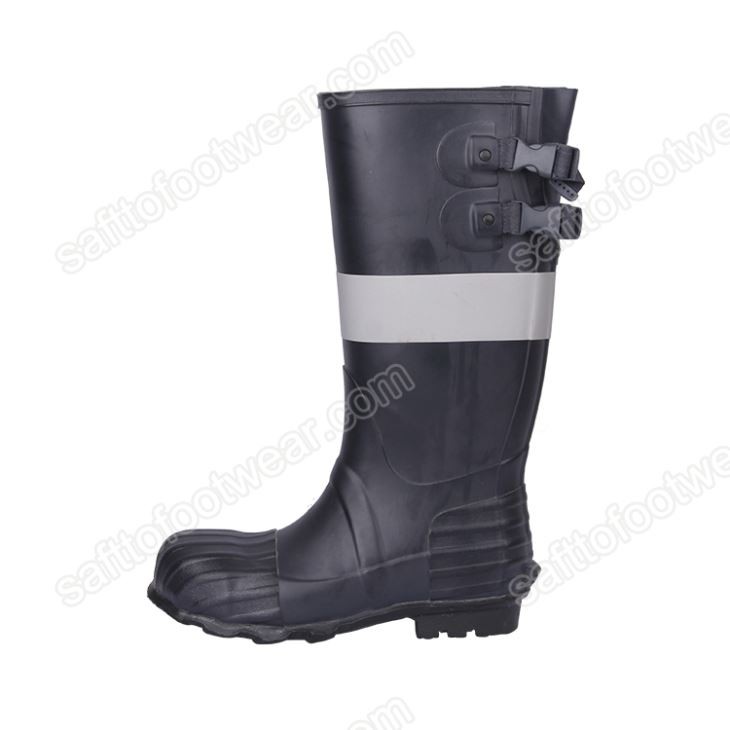
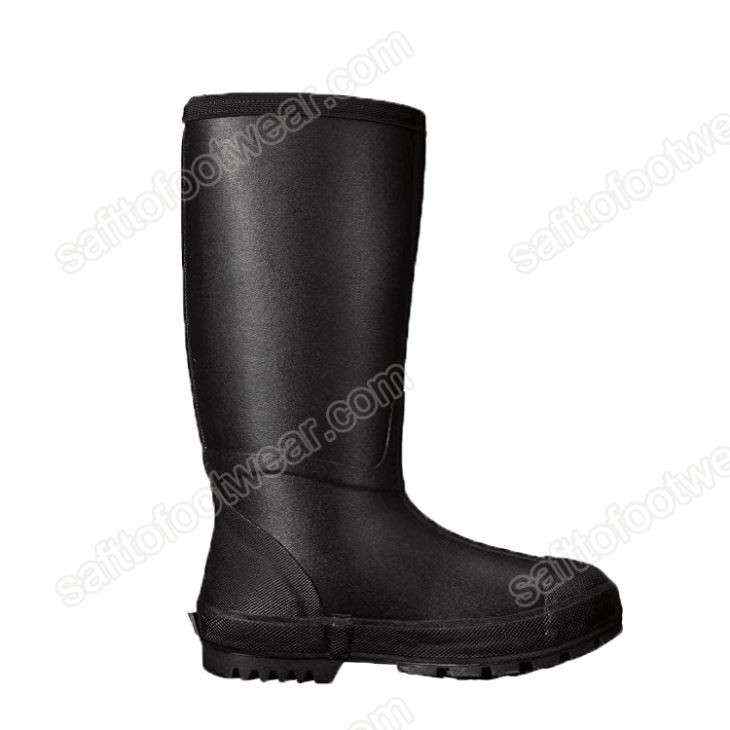
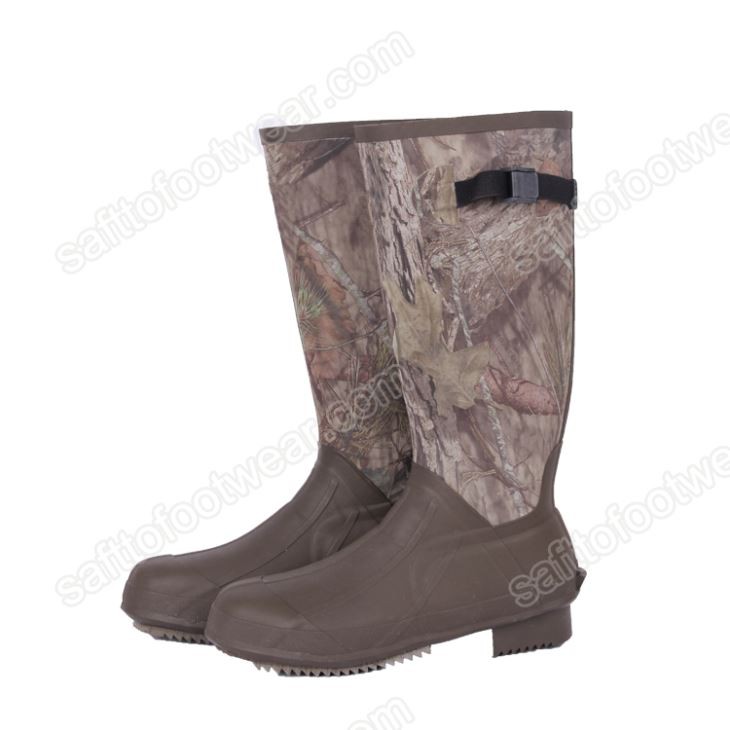

Combat Boots
Combat boots, the battle-tested footwear of enlisted military personnel, place functionality above all else, proving that utility triumphs over aesthetics. Also known as "army boots," they offer an impressive combination of protection, grip, and stability. Moreover, they are becoming increasingly popular amongst counterculture groups.
Rain Boots
Rain boots, also known as Wellington boots, galoshes or gumboots, have broken free from their traditional yellow hue and kiddie sizes, embracing a world of diverse styles and adult appeal. Amidst a sea of waterproof boot choices, rain boots emerge as the true style standouts, boasting an unmistakable charm that captures everyone's attention.They are tall, made of rubber, and excellent at keeping your feet dry in the wettest conditions. Ankle rain boots have recently made their mark, too. Wellingtons are some of the best waterproof boots out there, so keep them in mind when shopping for rain boots.
Snow Boots
Snow boots are the staple of winter wear. They are designed to keep your feet warm and dry in freezing weather conditions since they feature a layer of insulation. These insulated boots are a top choice to avoid getting your feet wet during outdoor activities.They are also waterproof, excelling in snowy, icy, and wet conditions. Moreover, their exterior is easy to clean. However, this type of boots tends to be heavier and less breathable.
Trench Boots
The trench boot is worn since World War I. Also known as officer or army boots, this type of boot is a stylish staple that's shaken its military roots. Similar to the work boot, the trench boot has a lower profile that's easy to integrate into various wardrobes, making it an amazing boot for various work or weather conditions.
Application of Rubber Work Boots
Construction Industry
If you’re a construction worker navigating construction sites or any field where heavy objects threaten your toes, opt for boots with steel toes for heavy-duty protection. These reinforced caps provide excellent protection against impact. Plus, they double as a tool for kicking stubborn debris out of your way.The best construction boots will also feature slip-resistant outsoles to keep you steady on ladders and slippery floors, along with waterproofing to keep your feet dry in all conditions. Additionally, look for boots with metatarsal guards for added protection on the top of your foot, ensuring comprehensive safety from all angles.
Warehouse & Light Industrial
Industrial work sites, where long hours on your feet are the norm, require footwear that strikes a balance between durability and comfort. The right work boots for this industry should feature slip-resistant outsoles to navigate smooth warehouse floors safely. Composite toe caps offer lightweight protection against impact without weighing you down during those busy shifts.Additionally, electrical hazard protection will shield against potential electrical currents, ensuring a safer work environment. Lastly, opting for boots made from durable materials ensures longevity, standing up to the daily wear and tear of industrial settings.
Best Work Boots for the Oil and Gas Industry
Working in the oil and gas industry demands resilience and robust protection, both from the environment and the job's demands. It's crucial to have reliable footwear that can withstand exposure to petroleum products without wearing out.That's where our oil-resistant work boots come into play. Designed to last and offer additional protection, these are tailored to the unique challenges of the oil and gas sector. With their oil-resistant features and durable construction, they're a solid choice for anyone tackling the tough tasks in this industry.
Electrical Work
For lineman and tower climbers, protection is crucial, requiring electrical hazard protection boots with insulated materials to safeguard against electrical shocks. Composite toes offer the added benefit of protection against impact without conducting electricity, offering the sweet spot between safety and functionality.Ankle support and a snug fit are also key to provide stability when navigating heights, making these features non-negotiables for those in the electrical industry.
Rubber Work Boots Components
Upper
The upper refers to the part of the shoe that wraps around your foot, sometimes extending up to the ankle or calf. The durability, stability and look of the boot is all directly related to the material used in the upper.
Midsole
The midsole encompasses the area between the outsole and the upper. As you can imagine, this component plays a big part in determining comfort. Read about common midsole materials below to find the right fit underfoot.
Outsole
The outsole is the part of your footwear that makes direct contact with the ground. The type of outsole on your boot can protect you from hazards such as puncture wounds, as well as give you the traction and composure you need on an uneven or slick surface.
How to Choose Rubber Work Boots
Safety Standards and Regulations: Know Your Hazards
Selecting the right work boots for your job means understanding the importance of compliance with safety standards for each industry. After all, safety is a crucial aspect of any job that involves physical labor. From safety shoes to specialized protective features, ensuring your footwear meets these standards can significantly reduce the potential for accidents on the job site.
Types of Safety Work Boots: Safety Toes 101
Boot construction, including safety features, is key to keeping your feet safe on the job. One of the most essential elements in this realm is the safety toe caps, offering extra protection against potential hazards.
Material Matters: Leather vs. Synthetic
Now, let's talk about the stuff your boots are made of. Leather work boots are the classics – durable, rugged, and timeless. Full-grain leather is the gold standard. It's tough, ages gracefully, and molds to your feet over time. These boots can handle everything from heavy machinery to long days on your feet.
Insulation and Breathability
You're going to spend hours in those boots, so they better treat your feet right. Working in cold temperatures? Go for insulated boots. Insulated materials trap warmth, keeping your toes toasty even in freezing weather to ensure maximum comfort. When the sun's out, you need boots that breathe (you don't want your feet stewing in their own juices). Look for breathable materials and ventilated designs.
Process of Rubber Work Boots
Research and Design
Understand the specific requirements of ISO and other safety standards relevant to work boots and safety shoes.Conduct research on materials, design features, and technologies that meet or exceed the safety standards.Collaborate with design professionals to create a prototype that incorporates safety features and ergonomic design.
Material Selection
Choose high-quality materials that comply with ISO /AS/NZS safety standards.Ensure that materials provide protection against various hazards, such as impact, compression, puncture, and electrical hazards.Consider factors like breathability, water resistance, and comfort.
Prototyping
Develop prototypes based on the initial design, incorporating all safety features.Test prototypes internally for fit, comfort, and basic safety features.
Testing and Certification
Conduct comprehensive testing to ensure compliance with the safety standards.Tests may include impact resistance, compression resistance, puncture resistance, electrical resistance, slip resistance, and more.Submit samples to authorized testing laboratories for certification.
Quality Control in Manufacturing
Implement quality control measures at every stage of manufacturing to ensure consistency and compliance with standards.Regularly inspect materials, components, and finished products for defects.
Assembly
Assemble boots according to the approved design and specifications.
Ensure that all safety features are integrated into the final product.
Documentation
Maintain detailed records of materials used, manufacturing processes, and quality control measures.Document compliance such as the ISO safety standards.
Labeling and Marking
Clearly label each pair of boots with relevant safety information, including compliance with the standards.Provide user instructions and care guidelines in the shoe box or with the safety boots or work shoes.
How to Maintain Rubber Work Boots
Cleaning
Wipe off dirt and debris regularly with a damp cloth to prevent buildup. For a comprehensive cleaning solution, check out Nicks Ultimate Boot Care Kit. It's equipped with everything you need to ensure your boots remain in pristine condition, no matter how often they need a touch-up.
Drying
Allow your boots to air dry naturally after use to prevent odors and mold growth.
Conditioning
Apply leather conditioner to keep the leather soft and prevent cracks.
Waterproofing
Reapply waterproofing products as needed to maintain water resistance.
Sole Inspection
Check the soles for wear and tear, and replace them if needed to maintain grip and safety.
Our Factory
Our factory was established in 1992 as a designated supplier for the Chinese military and a designated laboratory of the Military Biochemical Research Institute. We specialize in the production of various protective boots, including military boots, CBRN overboots, NBC gloves, special function protective boots, hunting boots, fishing and wading shoes, mining boots, fire boots, oilfield boots, and anti smashing and anti puncture insulation boots.We have internationally leading assembly line equipment, production technology, and testing equipment, as well as a professional R&D team, quality inspection team, and excellent sales and service team, providing the highest quality products and services to new and old customers.
To ensure the high quality standards of our products, we only use raw materials that comply with international quality standards and environmental conventions. We are responsible for the quality of our after-sales products.After nearly 30 years of development, our customers are spread all over the world, including countries and regions such as the United States, Canada, Mexico, Germany, Finland, Russia, France, the United Kingdom, Italy, etc.


FAQ
Q: What are the OSHA rules for work boots?
Q: Can you wear the same work boots everyday?
Q: What are the specifications for work boots?
Q: How long are work boots good for?
As with most things, even the best boots come with an end date. Generally speaking, a good pair of work boots should last between one and three years. But how long work boots last can depend on a variety of factors, including: The type of work you do – Certain kinds of work can wear out new boots faster.
Q: What is the footwear policy for employees?
Q: What are the rules for work shoes?
Q: Can work boots be worn casually?
Q: When to change work boots?
Q: Do you need to condition new work boots?
Q: Are work boots better tight or loose?
Q: How often should work boots be oiled?
In general, we recommend oiling your boots before wearing to ease any stiffness, and about once a month going forward to protect your boots, and keep them nice and soft. This periodic oiling should be determined "to the touch," so if your fingers feel oily after touching the leather, stop oiling.
Q: How to tell if boots are ANSI approved?
Q: When should you throw boots away?
Q: How often should you change insoles in work boots?
Aim to replace your work boot insoles every 6-12 months. The work intensity in a factory will speed up the wear and tear in the insole. The longer you stand, the faster it will wear. Keep looking out for signs of wear on your insole so you can get a new one too.
Q: Should my employer pay for my work shoes?
Q: What is the difference between work boots and work shoes?
Q: What is the fastest way to break in new work boots?
Q: Should you waterproof new work boots?
Q: Should I be able to wiggle my toes in work boots?
Q: Why do my new work boots hurt my feet?
As one of the most professional rubber work boots manufacturers and suppliers in China, we warmly welcome you to wholesale high quality rubber work boots made in China from our factory. Also, customized service is available.
en certified rubber work boots, men s rubber work boots, fishing rubber work boots