

As a supplier of farm insulated rubber boots, I often get asked about the materials used in their construction. Understanding the materials is crucial as it directly impacts the performance, durability, and comfort of the boots. In this blog post, I'll take you through the key materials that go into making high - quality farm insulated rubber boots.
Rubber
The primary material for these boots is, of course, rubber. Rubber is an ideal choice for farm boots due to its excellent waterproofing properties. It forms a tight seal around the foot, preventing water, mud, and other farm - related substances from seeping in.
There are different types of rubber used in boot manufacturing. Natural rubber, derived from the latex of rubber trees, is known for its high elasticity and resilience. It can withstand repeated stretching and bending without losing its shape, making it perfect for boots that are constantly in motion on the farm. Natural rubber also has good tear resistance, which is essential when dealing with sharp objects like thorns or branches on the farm.
Synthetic rubber, on the other hand, is man - made and offers several advantages. It can be engineered to have specific properties, such as enhanced resistance to chemicals. In a farm environment, boots may come into contact with fertilizers, pesticides, and other chemicals. Synthetic rubber can be formulated to resist the corrosive effects of these substances. For example, some synthetic rubbers are highly resistant to acids and alkalis, which is beneficial when working in areas where these substances are present. You can check out our Acid and Alkali Resistant Waterproof Boots that are made with such high - performance synthetic rubber.
Insulation Materials
Farm insulated rubber boots need to keep the feet warm in cold weather conditions. There are several materials used for insulation.
One common insulation material is Thinsulate. Thinsulate is a type of microfiber insulation that provides excellent warmth without adding a lot of bulk. It has a high insulation - to - weight ratio, which means it can keep the feet warm while still allowing for a comfortable and flexible boot. Thinsulate is also water - resistant, which is important in a wet farm environment. It doesn't lose its insulating properties when it gets damp, ensuring that the feet stay warm even in wet conditions.
Another popular insulation material is wool. Wool is a natural fiber that has been used for insulation for centuries. It is breathable, which helps to wick away moisture from the feet, keeping them dry. Wool also has natural antibacterial properties, which can help to reduce odor in the boots. In addition, wool is very effective at trapping air, which provides excellent insulation. However, wool may require more maintenance compared to synthetic insulation materials.
Inner Linings
The inner lining of the boots plays an important role in comfort. A common inner lining material is nylon. Nylon is smooth and soft, which reduces friction between the foot and the boot. This helps to prevent blisters and other foot irritations. Nylon is also lightweight and quick - drying, which is beneficial in a farm environment where the boots may get wet.
Some boots also use a cotton - based lining. Cotton is a natural fiber that is breathable and comfortable against the skin. It can absorb moisture from the feet, but it may take longer to dry compared to nylon. To address this issue, some manufacturers use a combination of cotton and synthetic fibers in the lining to get the best of both worlds - the breathability of cotton and the quick - drying properties of synthetic fibers.
Outsoles
The outsole of the farm insulated rubber boots is crucial for traction and durability. Rubber is the main material for outsoles, but different types of rubber compounds are used to achieve specific properties.
A high - quality outsole rubber should have good grip on various surfaces. On a farm, boots need to provide traction on wet grass, muddy fields, and slippery barn floors. Some outsole rubbers are designed with deep treads and patterns to improve grip. These treads can channel water and mud away from the sole, ensuring that the boot maintains contact with the ground.

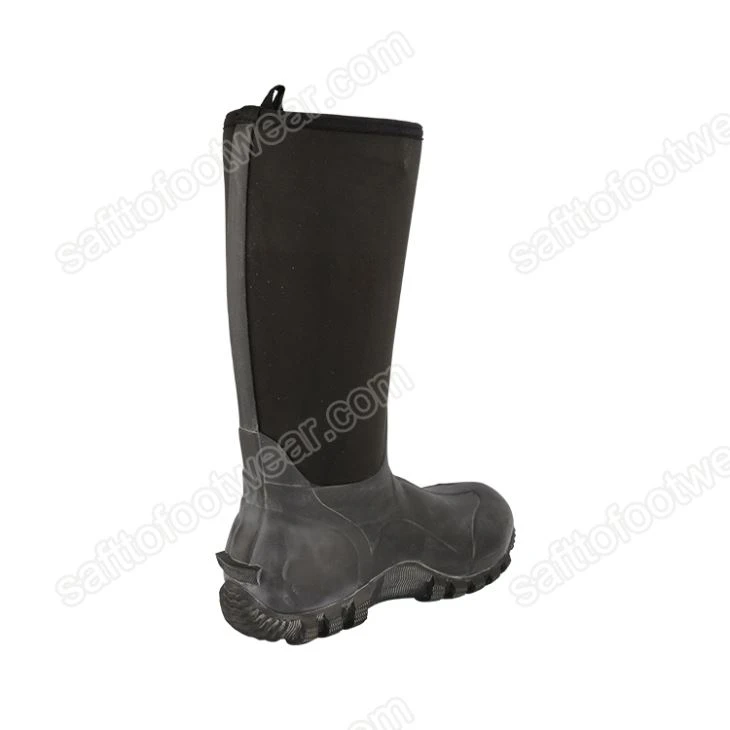
In addition to grip, the outsole should be durable. It should resist wear and tear from walking on rough surfaces, such as gravel or concrete. Some outsole rubbers are reinforced with additives to increase their abrasion resistance. For example, our Sturdy and Durable Rubber Rain Boots feature an outsole made from a specially formulated rubber compound that offers excellent durability and traction.
Additional Reinforcements
To enhance the durability and functionality of the boots, additional reinforcements are often added.
Metal shanks are sometimes inserted into the midsole of the boots. A metal shank provides support to the arch of the foot, reducing fatigue during long hours of walking on the farm. It also helps to maintain the shape of the boot and can improve the overall stability of the wearer.
Toe caps are another common reinforcement. A steel or composite toe cap protects the toes from heavy objects that may be dropped on them. In a farm environment, there is always a risk of tools, equipment, or livestock causing injury to the toes. A well - designed toe cap can prevent serious injuries.
Anti - Corrosive Properties
As mentioned earlier, farm boots may come into contact with various corrosive substances. To ensure the longevity of the boots, anti - corrosive materials and treatments are used.
Some boots are treated with anti - corrosive coatings. These coatings can be applied to the rubber surface to protect it from the effects of chemicals, fertilizers, and animal waste. Our Anti Corrosive Waterproof Rubber Boots are designed with such advanced anti - corrosive coatings to provide long - lasting protection.
In addition, the materials used in the construction of the boots are carefully selected for their resistance to corrosion. For example, the metal parts, if any, are made from corrosion - resistant alloys to prevent rusting.
Conclusion
In conclusion, farm insulated rubber boots are made from a combination of materials that work together to provide waterproofing, insulation, comfort, traction, and durability. From the rubber outer layer to the insulation materials, inner linings, outsoles, and additional reinforcements, each component plays a vital role in making a high - quality boot.
If you're in the market for farm insulated rubber boots, we have a wide range of options to meet your needs. Our boots are designed with the latest materials and technologies to ensure the best performance in the farm environment. Whether you need boots for cold weather, protection against chemicals, or just reliable everyday use, we've got you covered.
If you're interested in learning more about our products or would like to discuss a potential purchase, feel free to reach out. We're always happy to answer your questions and assist you in finding the perfect boots for your farm work.
References
- ASTM International. (2023). Standard test methods for rubber. ASTM.
- Textile Institute. (2022). Handbook of textile fibers: natural and man - made. Woodhead Publishing.
- American Academy of Podiatric Sports Medicine. (2023). Footwear and foot health. Journal of the American Academy of Podiatric Sports Medicine.