

As a supplier of Wetland Rubber Hunting Boots, I've had the privilege of delving deep into the world of rubber materials used in these essential pieces of hunting gear. The quality of the rubber in wetland hunting boots is a critical factor that can significantly impact a hunter's experience, comfort, and safety in the field. In this blog, I'll explore the key aspects of rubber quality in wetland hunting boots, including the types of rubber commonly used, their properties, and how they contribute to the overall performance of the boots.
Types of Rubber Used in Wetland Hunting Boots
Natural Rubber
Natural rubber is derived from the latex of rubber trees, primarily the Hevea brasiliensis. It is known for its excellent elasticity, resilience, and tear resistance. These properties make it an ideal choice for hunting boots, as they need to withstand the rigors of wetland environments, including rough terrain, sharp objects, and constant bending and stretching.
One of the main advantages of natural rubber is its high level of flexibility, which allows the boots to conform to the shape of the foot and provide a comfortable fit. This flexibility also helps to reduce fatigue during long hunting trips, as the boots can move with the foot rather than against it. Additionally, natural rubber has good traction on wet and slippery surfaces, which is essential for navigating through marshes, swamps, and other wetland areas.
However, natural rubber also has some limitations. It is susceptible to degradation from exposure to sunlight, ozone, and certain chemicals, which can cause it to become brittle and crack over time. To mitigate these issues, manufacturers often add antioxidants and other stabilizers to the rubber compound to improve its durability and resistance to environmental factors.
Synthetic Rubber
Synthetic rubber is a man-made material that is designed to mimic the properties of natural rubber. There are several types of synthetic rubber, each with its own unique characteristics and applications. In wetland hunting boots, two of the most commonly used synthetic rubbers are neoprene and nitrile rubber.
Neoprene
Neoprene is a synthetic rubber that is known for its excellent resistance to water, oil, and chemicals. It is also highly flexible and has good insulation properties, making it an ideal choice for wetland hunting boots. Neoprene boots are often used in cold weather conditions, as they can help to keep the feet warm and dry.
One of the main advantages of neoprene is its ability to provide a tight seal around the foot, which helps to prevent water from entering the boot. This makes neoprene boots a popular choice for hunters who need to wade through deep water or work in wet environments. Additionally, neoprene is resistant to abrasion and punctures, which helps to protect the feet from sharp objects and rough terrain.
If you're interested in neoprene hunting boots, you can check out our Neoprene Hunting Boots collection.
Nitrile Rubber
Nitrile rubber is another synthetic rubber that is commonly used in wetland hunting boots. It is known for its excellent resistance to oil, fuel, and chemicals, as well as its high level of abrasion resistance. Nitrile rubber boots are often used in industrial and commercial applications, as well as in hunting and fishing.

One of the main advantages of nitrile rubber is its durability. It can withstand heavy use and abuse, making it a good choice for hunters who need a boot that can last for many seasons. Additionally, nitrile rubber has good traction on wet and slippery surfaces, which helps to prevent slips and falls.
Properties of Rubber in Wetland Hunting Boots
Durability
Durability is one of the most important properties of rubber in wetland hunting boots. The boots need to be able to withstand the rigors of the wetland environment, including rough terrain, sharp objects, and constant bending and stretching. A durable rubber compound will help to ensure that the boots last for many seasons, providing a good return on investment for the hunter.
To improve the durability of the rubber, manufacturers often use a combination of natural and synthetic rubbers, as well as additives and reinforcements. For example, some boots may have a rubber sole that is reinforced with a layer of Kevlar or other high-strength material to provide extra protection against punctures and abrasions.
Flexibility
Flexibility is another important property of rubber in wetland hunting boots. The boots need to be able to move with the foot rather than against it, which helps to reduce fatigue and improve comfort. A flexible rubber compound will also allow the boots to conform to the shape of the foot, providing a better fit and reducing the risk of blisters and other foot problems.
To improve the flexibility of the rubber, manufacturers often use a combination of natural and synthetic rubbers, as well as plasticizers and other additives. For example, some boots may have a rubber upper that is made from a blend of neoprene and natural rubber, which provides a good balance of flexibility and durability.
Traction
Traction is essential for wetland hunting boots, as it helps to prevent slips and falls on wet and slippery surfaces. A good rubber compound will have a high coefficient of friction, which means that it can grip the ground well and provide stable footing.
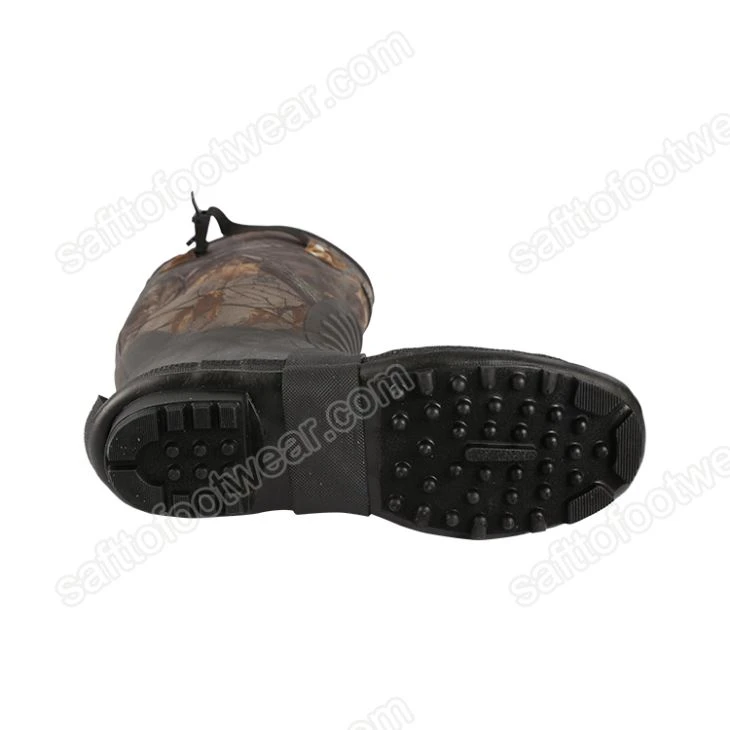
To improve the traction of the rubber, manufacturers often use a variety of tread patterns and designs. For example, some boots may have a lugged tread pattern that provides excellent traction on soft and muddy surfaces, while others may have a smooth tread pattern that is better suited for hard and dry surfaces. Additionally, some boots may have a special rubber compound that is designed to provide better traction in wet conditions.
Insulation
Insulation is important for wetland hunting boots, especially in cold weather conditions. A good rubber compound will have good insulation properties, which helps to keep the feet warm and dry.
To improve the insulation of the rubber, manufacturers often use a variety of materials and techniques. For example, some boots may have a lining that is made from a synthetic material such as Thinsulate or Primaloft, which provides excellent insulation without adding a lot of weight. Additionally, some boots may have a rubber sole that is designed to provide extra insulation, such as a foam-filled sole or a sole with a thermal barrier.
How Rubber Quality Affects the Performance of Wetland Hunting Boots
The quality of the rubber used in wetland hunting boots can have a significant impact on their performance. A high-quality rubber compound will provide better durability, flexibility, traction, and insulation, which will help to improve the hunter's comfort, safety, and overall hunting experience.
For example, a boot with a durable rubber sole will be less likely to wear out or puncture, which means that it will last longer and provide better protection for the feet. A boot with a flexible rubber upper will be more comfortable to wear, as it can move with the foot and reduce fatigue. A boot with good traction will be less likely to slip and fall, which will help to prevent injuries. And a boot with good insulation will keep the feet warm and dry in cold weather conditions, which will help to prevent frostbite and other cold-related injuries.
On the other hand, a low-quality rubber compound can have a negative impact on the performance of the boots. A boot with a brittle or cracked rubber sole may not provide good traction, which can increase the risk of slips and falls. A boot with a stiff or inflexible rubber upper may be uncomfortable to wear, which can lead to fatigue and foot problems. And a boot with poor insulation may not keep the feet warm and dry in cold weather conditions, which can increase the risk of hypothermia and other cold-related injuries.
Conclusion
In conclusion, the quality of the rubber used in wetland hunting boots is a critical factor that can significantly impact a hunter's experience, comfort, and safety in the field. When choosing a pair of wetland hunting boots, it is important to consider the type of rubber, its properties, and how they contribute to the overall performance of the boots.
As a supplier of Wetland Rubber Hunting Boots, we are committed to providing our customers with high-quality boots that are designed to meet the needs of hunters in wetland environments. Our boots are made from the finest materials and are built to last, providing excellent durability, flexibility, traction, and insulation. Whether you're looking for a pair of Neoprene Hunting Boots, Winter Warm Hunting Boots, or Neoprene Wellington Hunting Boots, we have the perfect pair of boots for you.
If you're interested in learning more about our wetland hunting boots or would like to discuss your specific needs with one of our experts, please don't hesitate to contact us. We look forward to helping you find the perfect pair of boots for your next hunting adventure.
References
- ASTM International. (2023). Standard Terminology Relating to Rubber. ASTM D1566 - 23.
- Morton, M. (2018). Rubber Technology: Compounding, Testing, and Applications. Elsevier.