

The flex rating of rubber work boots is a crucial factor that often goes unnoticed by many workers and even some buyers. As a seasoned supplier of rubber work boots, I've witnessed firsthand the impact of a proper flex rating on the performance, comfort, and durability of these essential work tools. In this blog post, I'll delve into what the flex rating of rubber work boots is, why it matters, and how it can influence your choice of work boots.
Understanding the Flex Rating
The flex rating of rubber work boots refers to the measure of the boots' flexibility. It indicates how easily the boots can bend and flex as you move. This rating is determined by various factors, including the type of rubber used, the design of the boot, and the presence of any additional components such as inserts or reinforcements.
Rubber is a highly versatile material, and different types of rubber can have varying degrees of flexibility. For example, natural rubber is known for its excellent elasticity and flexibility, making it a popular choice for work boots that require a high level of mobility. Synthetic rubbers, on the other hand, can be engineered to have specific properties, such as enhanced durability or resistance to chemicals, which may affect their flex rating.
The design of the boot also plays a significant role in determining its flex rating. Boots with a more streamlined design and fewer rigid components are generally more flexible. For instance, boots with a low-profile sole and a seamless upper are likely to have a higher flex rating than those with a thick, bulky sole or multiple layers of stitching.
Why the Flex Rating Matters
The flex rating of rubber work boots is not just a technical specification; it has a direct impact on your comfort and performance at work. Here are some of the key reasons why the flex rating matters:

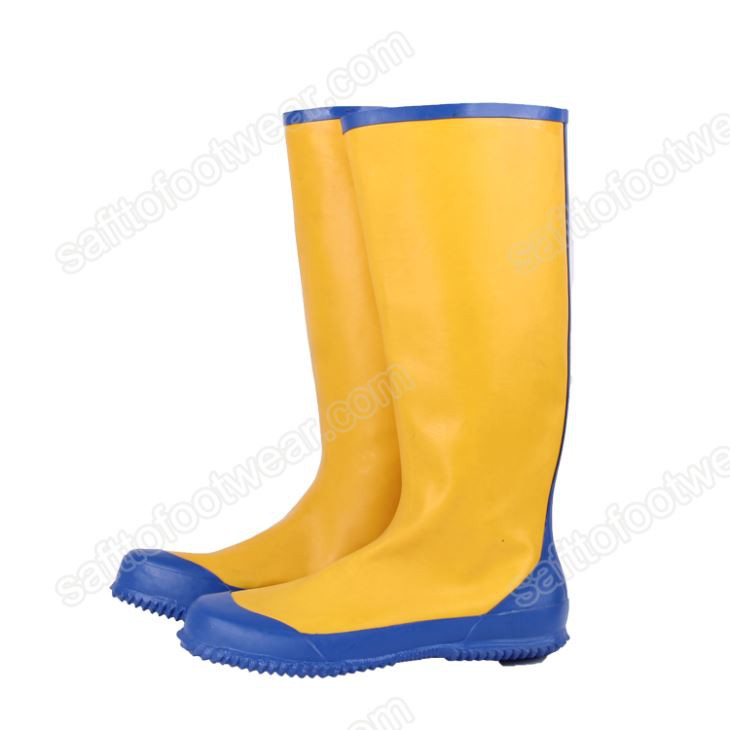
Comfort
A work boot with a high flex rating allows your feet to move naturally, reducing fatigue and discomfort. When you're on your feet for long periods, a flexible boot can conform to the shape of your foot as you walk, run, or bend, providing a more comfortable fit. This is especially important for workers who are constantly on the move, such as construction workers, warehouse employees, and delivery drivers.
Mobility
Flexible work boots enable greater mobility, allowing you to perform your tasks more efficiently. Whether you're climbing ladders, lifting heavy objects, or working in tight spaces, a boot with a good flex rating will not restrict your movement. This can improve your productivity and reduce the risk of accidents or injuries.
Durability
Believe it or not, a higher flex rating can also contribute to the durability of your work boots. When a boot is too rigid, the stress of movement is concentrated in certain areas, which can lead to premature wear and tear. A flexible boot, on the other hand, distributes the stress more evenly, reducing the likelihood of damage and extending the lifespan of the boot.
How the Flex Rating Affects Your Choice of Work Boots
When choosing rubber work boots, it's important to consider the flex rating based on your specific work requirements. Here are some factors to keep in mind:
Type of Work
The nature of your work will determine the level of flexibility you need in your boots. For example, if you work in a job that requires a lot of bending, squatting, or climbing, you'll need boots with a high flex rating. On the other hand, if you work in a more stationary job, such as a laboratory or an office, you may not need as much flexibility.
Foot Health
If you have any foot problems, such as plantar fasciitis or arthritis, a boot with a high flex rating can provide additional support and comfort. Flexible boots can help to reduce the pressure on your feet and joints, alleviating pain and discomfort.
Personal Preference
Ultimately, your personal preference also plays a role in choosing the right flex rating for your work boots. Some people prefer a more rigid boot for added stability, while others prefer a flexible boot for greater comfort and mobility. It's important to try on different boots and see which ones feel the most comfortable and suitable for your needs.
Our Range of Rubber Work Boots with Different Flex Ratings
As a supplier of rubber work boots, we offer a wide range of products with different flex ratings to meet the diverse needs of our customers. Here are some of our popular models:
- Chore Cool Steel-Toed Rubber Work Shoes: These shoes are designed for workers who need a high level of flexibility and comfort. They feature a breathable mesh lining and a flexible rubber sole, making them ideal for long hours on your feet.
- Insulated Rubber Firefighter Boots: These boots are specifically designed for firefighters and other emergency responders. They have a high flex rating to allow for quick and easy movement, as well as insulation to protect your feet from extreme temperatures.
- Anti Static Rubber Working Boots: These boots are suitable for workers in industries where static electricity can be a hazard, such as electronics manufacturing and chemical processing. They have a flexible design and an anti-static sole to prevent the buildup of static charge.
Conclusion
The flex rating of rubber work boots is an important factor to consider when choosing the right boots for your job. It can affect your comfort, mobility, and durability, so it's essential to choose a boot with a flex rating that suits your specific needs. As a supplier of rubber work boots, we're committed to providing high-quality products with a range of flex ratings to meet the diverse needs of our customers.
If you're interested in learning more about our rubber work boots or would like to discuss your specific requirements, please don't hesitate to contact us. We'd be happy to help you find the perfect boots for your work.
References
- ASTM International. (2023). Standard Test Methods for Rubber Property—Flexing Fatigue.
- American Podiatric Medical Association. (2023). Choosing the Right Work Boots for Your Feet.
- Occupational Safety and Health Administration (OSHA). (2023). Foot Protection.