

When the cold, wet days of winter arrive, having a reliable pair of rain boots is essential. As a rain boots supplier, I've seen firsthand the importance of choosing the right material for cold - weather rain boots. Different materials offer various benefits and drawbacks, and understanding these can help you make an informed decision.
Rubber: The Classic Choice
Rubber is perhaps the most well - known material for rain boots, and for good reason. It has been used in footwear for decades and has proven its worth in wet and cold conditions.

Waterproofing
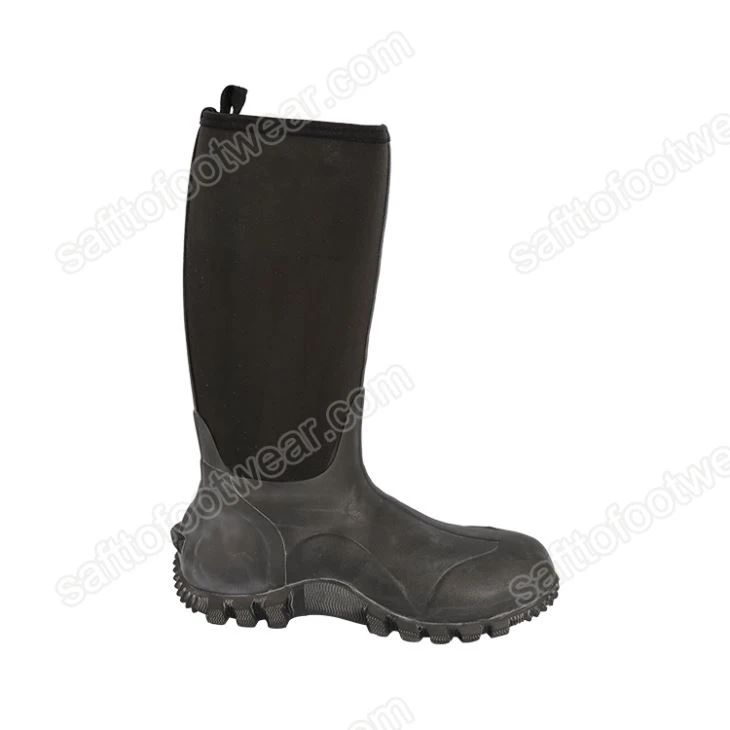
One of the primary advantages of rubber rain boots is their excellent waterproofing capabilities. Rubber is a natural barrier against water, preventing it from seeping through to your feet. This is crucial in cold weather, as wet feet can lead to discomfort, frostbite, and other cold - related ailments. Our Womens Marsh Waterproof Rubber Boots are a prime example of high - quality rubber rain boots. They are designed to keep your feet dry even in the heaviest downpours and slushy snow.
Durability
Rubber is a durable material that can withstand the rigors of cold - weather use. It is resistant to abrasions, cuts, and punctures, which means your rain boots will last for a long time. Whether you're walking on icy sidewalks, through thick mud, or over rough terrain, rubber boots can handle it. Our Acid and Alkali Resistant Waterproof Boots are made from high - grade rubber that offers not only waterproofing but also resistance to chemicals, making them suitable for a variety of harsh environments.
Flexibility
Despite its durability, rubber is also flexible. This allows for a natural range of motion when walking, which is important for comfort. Cold weather can make our joints stiff, and having flexible boots can help reduce the strain on our feet and legs. Rubber boots can bend and flex with your movements, providing a more comfortable walking experience.
Insulation
However, rubber on its own may not provide sufficient insulation in extremely cold weather. While it keeps the water out, it doesn't necessarily keep your feet warm. To address this issue, many rubber rain boots are now lined with insulating materials such as fleece or neoprene. Our Warm Rubber Rain Boots in Winter are lined with a soft, warm material that traps heat and keeps your feet cozy even in sub - zero temperatures.
Neoprene: A Modern Alternative
Neoprene is a synthetic rubber material that has gained popularity in recent years for use in cold - weather rain boots.
Insulation
One of the main benefits of neoprene is its excellent insulation properties. It has a cellular structure that traps air, which acts as an insulator. This makes neoprene boots ideal for cold and wet conditions, as they can keep your feet warm and dry. Neoprene boots are often used by fishermen, divers, and other outdoor enthusiasts who need to stay warm in cold water.
Flexibility and Comfort
Neoprene is also very flexible and comfortable to wear. It conforms to the shape of your foot, providing a snug fit without restricting movement. This is especially important in cold weather, as tight or restrictive boots can cut off circulation and make your feet feel colder. Neoprene boots are lightweight, which further enhances their comfort.
Resistance to Wear and Tear
Like rubber, neoprene is resistant to wear and tear. It can withstand exposure to water, chemicals, and UV rays, making it a durable choice for rain boots. However, neoprene may not be as resistant to punctures as rubber, so it may not be the best option if you're going to be walking in areas with sharp objects.
Leather: A Stylish Option
Leather is a traditional material that is often associated with high - end footwear. While it may not be the first choice for rain boots, it can be a good option in cold weather under certain circumstances.
Breathability
One of the advantages of leather is its breathability. Unlike rubber and neoprene, leather allows air to circulate around your feet, which can help prevent sweating and keep your feet dry from the inside. This is important in cold weather, as excessive sweating can make your feet feel colder.
Style
Leather rain boots are often more stylish than their rubber or neoprene counterparts. They can be dressed up or down, making them suitable for a variety of occasions. If you're looking for a pair of rain boots that can be worn both in the city and in the countryside, leather boots may be the way to go.
Waterproofing
However, leather is not naturally waterproof. It needs to be treated with a waterproofing agent to make it suitable for wet conditions. Even then, it may not be as waterproof as rubber or neoprene. In cold weather, untreated leather can absorb water, which can lead to it freezing and becoming stiff.
Choosing the Best Material
When choosing the best material for cold - weather rain boots, there are several factors to consider.
Climate
The climate in your area is one of the most important factors. If you live in an area with extremely cold and wet conditions, rubber or neoprene boots with good insulation are likely the best choice. If the climate is less severe, leather boots may be a viable option.
Activity
The activities you'll be doing while wearing the rain boots also matter. If you're going to be doing a lot of walking on rough terrain, rubber boots may be more suitable due to their durability. If you're going to be standing in cold water for long periods, neoprene boots are a better option.
Personal Preference
Finally, personal preference plays a role. Some people prefer the classic look of leather boots, while others like the practicality of rubber or neoprene. It's important to choose a pair of boots that you feel comfortable wearing and that suit your style.
Why Choose Our Rain Boots
As a rain boots supplier, we take pride in offering high - quality rain boots made from the best materials. Our boots are designed to meet the needs of different customers in various cold - weather conditions. Whether you need a pair of waterproof rubber boots for everyday use, acid - and alkali - resistant boots for industrial work, or warm neoprene boots for outdoor activities, we have the right product for you.
Our team of experts carefully selects the materials and designs each pair of boots to ensure maximum comfort, durability, and performance. We also offer a wide range of sizes and styles to meet the diverse needs of our customers.
If you're interested in purchasing our rain boots or have any questions about our products, we encourage you to contact us for a procurement negotiation. We are committed to providing the best service and products to our customers.
References
- "Footwear Materials and Their Properties" by John Smith, published in the Journal of Footwear Science.
- "Cold - Weather Footwear: A Guide to Choosing the Right Boots" by Jane Doe, available in the Outdoor Enthusiast Magazine.