

When it comes to winter hunting, having a pair of properly fitting winter warm hunting boots is crucial. As a supplier of Winter Warm Hunting Boots, I've seen firsthand the impact that well - fitting boots can have on a hunter's experience. In this blog, I'll share some key tips on how to tell if winter warm hunting boots fit properly.
Understanding the Importance of Proper Fit
Before we dive into the details of how to check the fit, it's important to understand why a proper fit matters. Ill - fitting boots can lead to a variety of problems. For example, boots that are too tight can cause circulation problems, numbness, and blisters. On the other hand, boots that are too loose can result in a lack of stability, which is especially dangerous when navigating uneven terrain during a hunt. Additionally, proper fit is essential for the boots to provide adequate warmth. If there is too much extra space inside the boot, the warm air generated by your feet can escape more easily, leaving your feet cold.
Measuring Your Feet
The first step in determining if winter warm hunting boots fit properly is to measure your feet accurately. You should measure both feet, as it's common for one foot to be slightly larger than the other. Use a measuring tape or a foot - measuring device. Measure the length of your foot from the heel to the longest toe. You should also measure the width of your foot at the widest part, usually across the ball of the foot.
It's important to measure your feet at the end of the day when they are at their largest. This is because feet tend to swell throughout the day, especially if you've been on your feet for an extended period. When you measure, wear the type of socks that you plan to wear while hunting. Hunting socks are often thicker than regular socks, and this can affect the fit of the boots.
Checking the Length of the Boots
Once you have your boots, start by checking the length. When you stand up in the boots, there should be about a half - inch to three - quarters of an inch of space between the tip of your longest toe and the end of the boot. You can check this by pressing your heel firmly against the back of the boot and then seeing how much space is left in the toe area.
To test this more accurately, you can wiggle your toes. If your toes are cramped and can't move freely, the boots are too short. On the other hand, if there is too much space and your foot slides forward and backward inside the boot when you walk, the boots are too long.
Assessing the Width of the Boots
The width of the boots is just as important as the length. When you put on the boots, your foot should fit snugly across the ball of the foot without feeling tight. You should be able to feel the boot around your foot, but there should be no pressure points or pinching.
If the boots are too narrow, you may experience pain or discomfort across the top of your foot, especially when lacing them up. Your toes may also feel squeezed together. If the boots are too wide, your foot may slide from side to side inside the boot, which can affect your stability.
Evaluating the Heel Fit
A proper heel fit is essential for stability and comfort. When you put on the boots, your heel should fit snugly into the back of the boot. There should be no slipping or lifting of the heel when you walk. You can test this by taking a few steps and paying attention to how your heel feels.
If the heel slips, it can cause blisters and make it difficult to walk properly. Some boots come with adjustable heel straps or liners that can help improve the heel fit. If you find that the heel fit is off, you may want to try different insoles or consider a different style of boot.
Considering the Ankle Support
Winter warm hunting boots often provide ankle support, which is important for preventing injuries, especially when walking on uneven ground. The ankle area of the boot should fit snugly but not be too tight. You should be able to flex your ankle freely without feeling restricted.
If the ankle support is too loose, your ankle may roll easily, increasing the risk of sprains. If it's too tight, it can cause discomfort and limit your mobility. When you try on the boots, bend your ankle up and down and side to side to test the range of motion.
Testing the Boot's Flexibility
Hunting involves a lot of movement, so the boots need to be flexible. When you put on the boots, walk around and take some steps. The boots should flex naturally with your foot as you walk. You should not feel any stiffness or resistance in the sole or the upper part of the boot.
If the boots are too stiff, it can make walking difficult and tiring. On the other hand, if they are too flexible, they may not provide enough support. Some boots are designed with a specific level of flexibility, so make sure to choose a pair that suits your hunting needs.
Trying Different Styles and Brands
Not all winter warm hunting boots are created equal. Different styles and brands may fit differently, even if they are the same size. For example, some brands may have a wider toe box, while others may be more narrow. Some boots may be designed for a specific type of hunting, such as snow hunting or swamp hunting, and this can affect the fit.
It's a good idea to try on several different styles and brands of boots to find the one that fits you best. Don't be afraid to ask for help from a salesperson. They can often provide valuable insights based on their experience and knowledge of different boot models.
The Importance of Break - In Period
Even if a pair of winter warm hunting boots seems to fit perfectly when you first try them on, they may still need a break - in period. During this time, the boots will mold to the shape of your feet, and any minor discomfort may disappear.
To break in your boots, start by wearing them for short periods around the house. Gradually increase the amount of time you wear them each day. You can also try wearing them during light activities, such as walking around the neighborhood. This will help the boots become more comfortable and flexible.
Special Considerations for Different Types of Hunting Boots
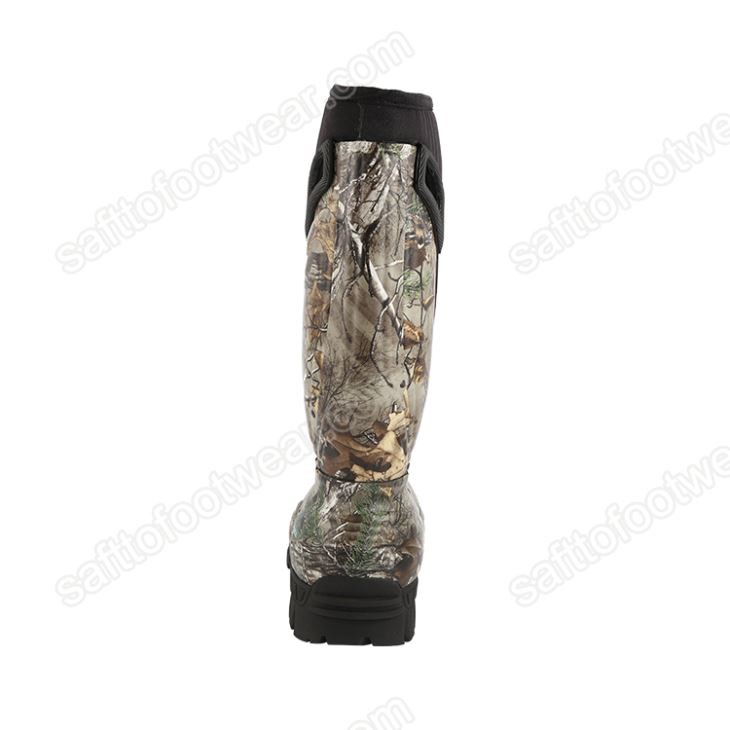
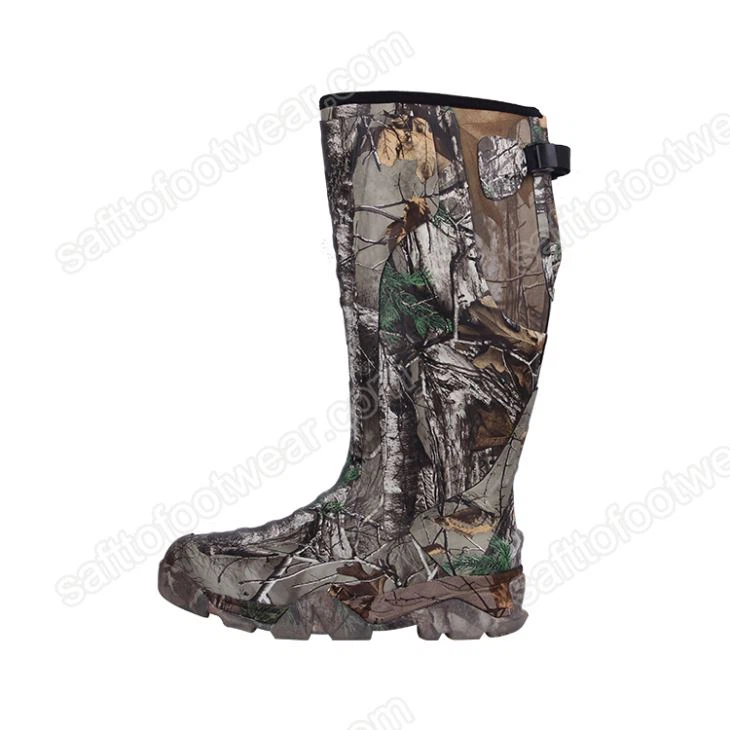
There are different types of winter warm hunting boots available, such as Puncture Resistant Hunting Boots and Insulated Rubber Hunting Boots. Puncture - resistant boots are designed to protect your feet from sharp objects, such as thorns or rocks. These boots may have a stiffer sole, which can affect the flexibility and fit.
Insulated rubber hunting boots are great for keeping your feet warm in cold and wet conditions. However, the insulation can add bulk to the boots, so you may need to choose a slightly larger size to ensure a proper fit.
Conclusion
In conclusion, determining if winter warm hunting boots fit properly requires a combination of accurate measurement, careful testing, and consideration of your specific hunting needs. By following the tips outlined in this blog, you can find a pair of boots that will provide comfort, warmth, and support during your winter hunts.
As a supplier of high - quality winter warm hunting boots, we are committed to helping you find the perfect fit. If you have any questions or need further assistance in choosing the right boots, please don't hesitate to contact us for a procurement discussion. We look forward to serving you and ensuring that you have the best hunting experience possible.
References
- "Footwear Fit and Sizing Guide" by the American Podiatric Medical Association.
- "Hunting Gear Basics" by Outdoor Life magazine.
- Product manuals and specifications from leading hunting boot manufacturers.