

Hey there! I'm a supplier of Rubber Work Boots, and I know how important it is for you to have comfortable footwear when you're on the job. Whether you're working on a farm, handling concrete, or in an environment where chemical and slip resistance is crucial, you need boots that won't leave your feet feeling like they've been through a wringer. So, let's dive into how you can make your rubber work boots more comfortable.
1. Choose the Right Size
First things first, getting the right size is non - negotiable. Ill - fitting boots can cause a whole host of problems, from blisters to foot pain. When you're shopping for rubber work boots, don't just go by the size you usually wear in regular shoes. Rubber boots can fit differently. Try them on with the socks you'll be wearing for work. Make sure there's enough room in the toe box so your toes can wiggle freely. You don't want your toes to be cramped up, as that can lead to circulation issues and discomfort.
If you're not sure about the size, you can always measure your feet. Use a foot measuring device or a simple ruler. Measure the length from the heel to the tip of your longest toe. Then, refer to the size chart provided by the boot manufacturer. And don't forget about the width. Some people have wider feet, and wearing boots that are too narrow can be extremely uncomfortable.
2. Break Them In
New rubber work boots can be stiff and unyielding. Breaking them in is essential to make them more comfortable. Start by wearing them around the house for short periods. This helps the rubber to mold to the shape of your feet. You can also try flexing the boots by hand to loosen up the material.
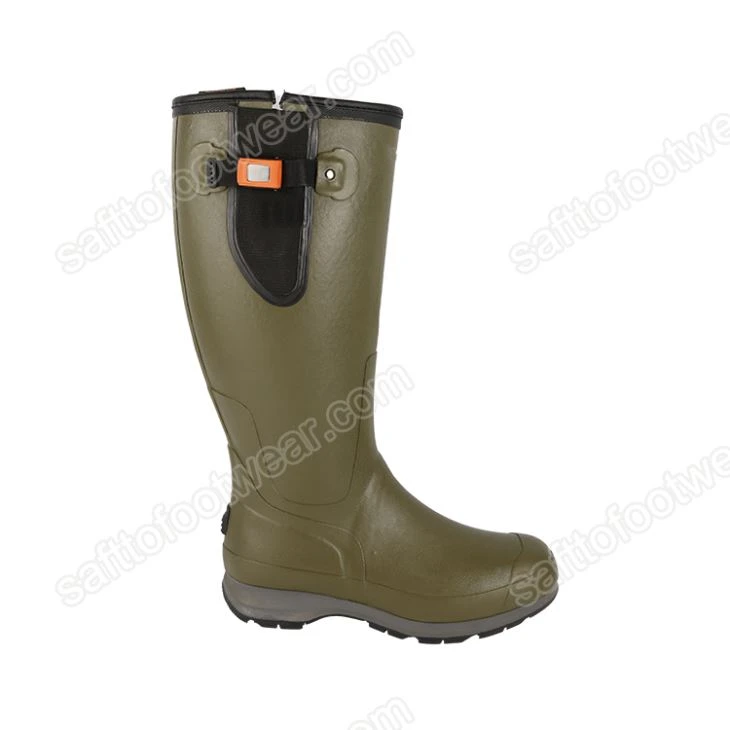

Another trick is to use a boot stretcher. There are different types of boot stretchers available, some that can stretch the width and others that can stretch the length. Using a boot stretcher can speed up the breaking - in process. Just insert the stretcher into the boot and adjust it according to your needs. Leave it in for a few hours or overnight.
3. Invest in Good Insoles
Insoles can make a world of difference when it comes to the comfort of your rubber work boots. They provide extra cushioning, support, and can even help with arch support. There are different types of insoles available, such as gel insoles, memory foam insoles, and orthotic insoles.
Gel insoles are great for shock absorption. They can help reduce the impact on your feet when you're walking or standing for long periods. Memory foam insoles mold to the shape of your feet, providing customized support. Orthotic insoles are designed to correct foot problems and provide proper alignment.
When choosing insoles, make sure they fit properly in your boots. You don't want them to be too big or too small. You can trim them if necessary to get the perfect fit.
4. Keep Your Feet Dry
Rubber boots are great at keeping water out, but they can also trap moisture inside. This can lead to sweaty feet, which can be uncomfortable and even cause foot odor. To keep your feet dry, you can use moisture - wicking socks. These socks are designed to draw moisture away from your feet and keep them dry.
You can also use foot powder. Foot powder helps to absorb moisture and reduce friction. Sprinkle some foot powder in your boots before you put them on. It can make a big difference in how your feet feel throughout the day.
5. Add Padding
If your boots are rubbing against your ankles or other parts of your feet, adding padding can help. You can use moleskin or felt pads. Cut the padding to the right size and stick it on the areas where the boots are causing discomfort. This can prevent blisters and reduce friction.
6. Consider the Type of Work
The type of work you do can also affect the comfort of your boots. For example, if you're working on a farm, you might need boots with good traction and durability. Check out Rubber Boots for Farm Work. These boots are designed to handle the rough terrain and various conditions on a farm.
If you're working with concrete, you'll need boots that can withstand the harsh chemicals and rough surfaces. Rubber Boots for Concrete Work are specifically designed for this type of work. They offer protection and comfort in a concrete - working environment.
For those working in environments where chemical and slip resistance is important, Chemical and Slip Resistant Rubber Boots are the way to go. These boots are engineered to keep you safe and comfortable in challenging conditions.
7. Maintain Your Boots
Proper maintenance of your rubber work boots can also contribute to their comfort. Clean your boots regularly. Use a mild soap and water to remove dirt and debris. After cleaning, let them dry thoroughly. Don't expose them to direct sunlight or heat, as this can damage the rubber.
If there are any small tears or holes in your boots, repair them as soon as possible. You can use a rubber repair kit to fix minor damages. This will not only extend the life of your boots but also keep them comfortable to wear.
8. Take Breaks
No matter how comfortable your boots are, it's important to take breaks. Standing or walking for long periods can put a lot of stress on your feet. Take a few minutes every hour or so to sit down and rest your feet. You can also stretch your feet and legs to improve circulation.
9. Rotate Your Boots
If you have more than one pair of rubber work boots, rotate them. Wearing the same pair of boots every day can cause them to wear out faster and can also lead to discomfort. By rotating your boots, you give each pair a chance to dry out and recover between uses.
Conclusion
Making your rubber work boots more comfortable is all about a combination of choosing the right size, breaking them in, using good insoles, keeping your feet dry, adding padding, considering the type of work, maintaining your boots, taking breaks, and rotating your boots. By following these tips, you can ensure that your feet stay comfortable throughout your workday.
If you're in the market for high - quality rubber work boots or have any questions about making your boots more comfortable, feel free to reach out. We're here to help you find the perfect boots for your needs and ensure you're comfortable on the job.
References
- Various boot manufacturers' size charts and product information.
- Research on foot comfort and footwear design.