

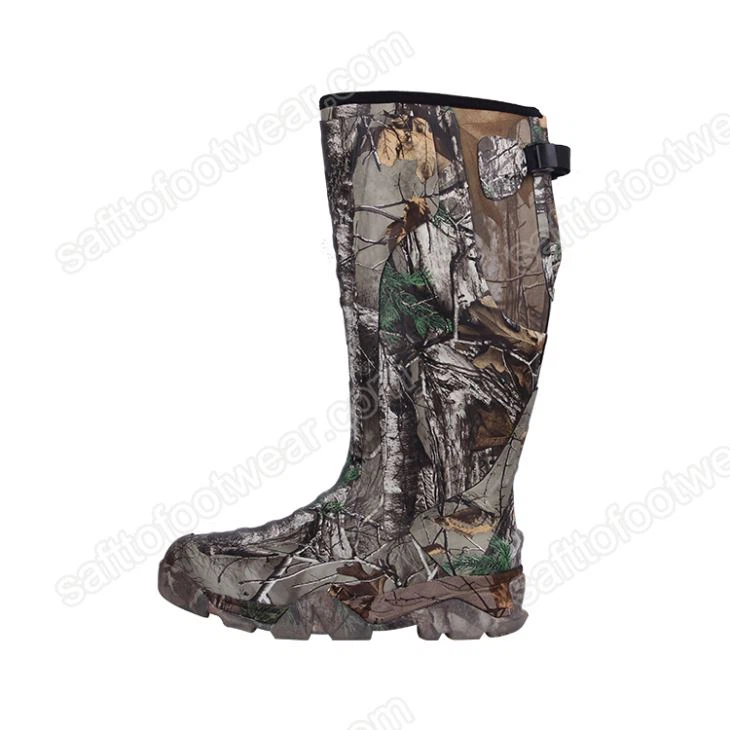
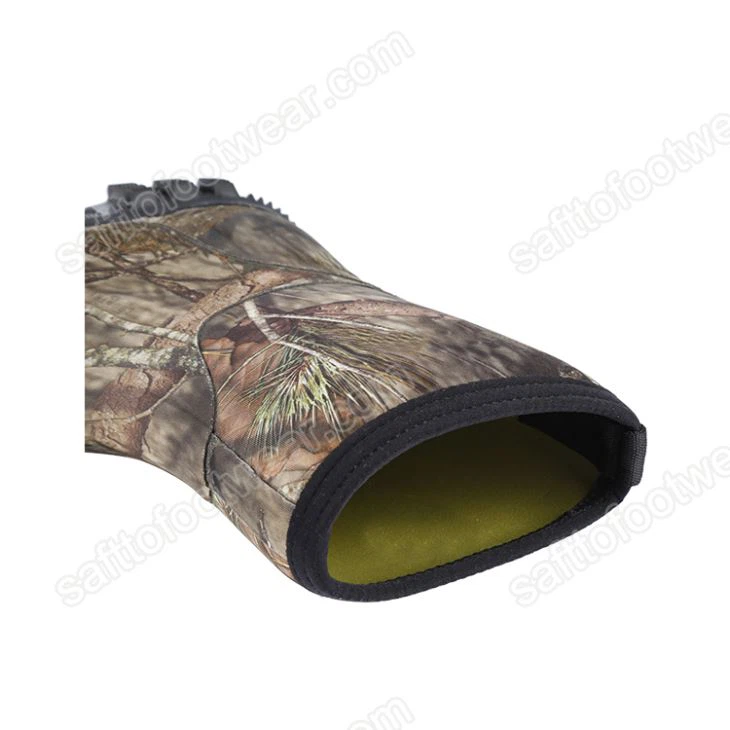
Hey there, fellow hunters! As a supplier of Neoprene Hunting Boots, I know how frustrating it can be when you're out in the wild and discover a tear in your trusty boots. Neoprene is a great material for hunting boots because it's waterproof, flexible, and provides good insulation. But even the toughest neoprene can get damaged over time. In this blog, I'm gonna share some tips on how to deal with a tear in your neoprene hunting boots.
Step 1: Assess the Damage
The first thing you need to do when you find a tear in your neoprene boots is to take a good look at it. Is it a small, superficial tear, or is it a larger, more serious one? A small tear might only be a few millimeters long and might not go all the way through the neoprene. These types of tears can usually be fixed easily. On the other hand, a large tear that's several centimeters long or goes through multiple layers of neoprene will require more work.
If the tear is small and doesn't seem to be getting bigger, you can probably fix it yourself. But if it's large or if you're not sure how to handle it, it might be a good idea to take your boots to a professional repair shop.
Step 2: Clean the Area
Before you start any repair work, you need to clean the area around the tear. Use a mild soap and water to gently clean the neoprene. Make sure to get rid of any dirt, mud, or debris that might be stuck to the surface. You can use a soft brush to help loosen the dirt. After cleaning, dry the area thoroughly with a clean towel. This will ensure that the repair material adheres properly to the neoprene.
Step 3: Choose the Right Repair Material
There are several options when it comes to repairing neoprene boots. One of the most common materials is neoprene glue. You can find neoprene glue at most hardware stores or online. Make sure to choose a glue that's specifically designed for neoprene. Another option is a neoprene patch. Neoprene patches come in different sizes and shapes and can be a great way to cover up a tear.
If you're using neoprene glue, make sure to follow the instructions on the package carefully. Some glues require you to apply a primer first, while others can be applied directly to the neoprene.
Step 4: Repair a Small Tear
If you have a small tear, you can usually fix it with neoprene glue. First, apply a small amount of glue to one side of the tear. Then, carefully press the two sides of the tear together. Hold them in place for a few minutes to let the glue start to set. You can use a clamp or a piece of tape to keep the two sides together while the glue dries.
Make sure to apply the glue evenly and avoid getting any on the surrounding neoprene. If you do get some glue on the surrounding area, wipe it off immediately with a clean cloth.
Step 5: Repair a Large Tear
For a large tear, you'll probably need to use a neoprene patch. First, cut the patch to a size that's slightly larger than the tear. Then, apply a thin layer of neoprene glue to the back of the patch and to the area around the tear. Carefully place the patch over the tear and press it down firmly. Make sure there are no air bubbles between the patch and the neoprene.
You can use a roller or a flat object to smooth out the patch and ensure a good bond. Let the glue dry completely according to the instructions on the package.
Step 6: Let It Dry and Cure
After you've applied the glue or patch, it's important to let it dry and cure properly. This can take anywhere from a few hours to a few days, depending on the type of glue and the size of the repair. Make sure to follow the instructions on the package for the specific drying and curing time.
During the drying and curing process, avoid wearing the boots or getting them wet. This will ensure that the repair is strong and long-lasting.
Step 7: Test the Repair
Once the repair has dried and cured, it's a good idea to test it. Put on your boots and walk around for a bit. Check to see if the repair holds up and if there are any signs of the tear opening up again. If everything looks good, you're ready to get back out in the field.
Preventing Future Tears
Of course, the best way to deal with a tear in your neoprene hunting boots is to prevent it from happening in the first place. Here are some tips to help you keep your boots in good condition:
- Avoid sharp objects: When you're out hunting, be careful where you step. Avoid walking through areas with sharp rocks, branches, or thorns.
- Store your boots properly: When you're not using your boots, store them in a cool, dry place. Avoid leaving them in direct sunlight or in a hot, humid environment.
- Inspect your boots regularly: Take a few minutes before and after each hunting trip to inspect your boots for any signs of wear or damage. Catching a small problem early can prevent it from becoming a big one.
Our Neoprene Hunting Boots
At our store, we offer a wide range of high-quality neoprene hunting boots. Check out our Neoprene Wellington Hunting Boots, which are perfect for all types of hunting conditions. We also have Kids Camo Outdoor Hunting Boots for the young hunters in your family. And if you need extra warmth, our Insulated Rubber Hunting Boots are a great choice.
If you're interested in purchasing our neoprene hunting boots or have any questions about our products, feel free to contact us. We're always happy to help you find the perfect boots for your next hunting adventure.
References
- Neoprene Boot Repair Guide, Outdoor Gear Magazine
- How to Repair Neoprene, DIY Hunting Blog
- Neoprene Care and Maintenance, Boot Manufacturer's Handbook