

When it comes to rainy days or wet environments, rain boots are an essential piece of footwear. As a rain boots supplier, I understand the importance of ensuring that our products are truly waterproof. In this blog, I'll share some effective methods to check if rain boots are waterproof, which can not only help consumers make better purchasing decisions but also assist us in quality control.
Visual Inspection
The first step in checking the waterproofness of rain boots is a visual inspection. Start by carefully examining the entire surface of the boots. Look for any visible signs of damage such as cracks, holes, or tears. Even the smallest crack can compromise the waterproof integrity of the boots. Pay close attention to the seams, as they are often the weakest points. Seams should be well - sealed, without any gaps or loose threads.
If you notice any irregularities during the visual inspection, it's a clear indication that the boots may not be waterproof. For instance, if there are small holes near the sole or on the upper part of the boot, water can easily seep in. In our product line, we take great care in manufacturing to ensure that all seams are properly sealed. Our Anti skid Rubber Waterproof Boots are designed with high - quality rubber and precise seam - sealing techniques to prevent water from entering through the seams.
Water Immersion Test
One of the most straightforward ways to check if rain boots are waterproof is the water immersion test. Fill a large container or bathtub with water. Make sure the water is deep enough to fully submerge the boots up to the height where you expect them to be exposed to water in real - life situations.
Before immersing the boots, dry them thoroughly on the inside to make it easier to detect any water penetration. Then, carefully place the boots in the water and let them soak for about 10 - 15 minutes. During this time, gently press on different parts of the boots to simulate walking or movement. This can help force water through any potential weak spots.
After the soaking period, remove the boots from the water and dry the outside with a towel. Then, carefully examine the inside of the boots. If you find any moisture, it means the boots are not completely waterproof. However, keep in mind that a small amount of condensation may form on the inside due to the temperature difference between the water and the air, so make sure to distinguish between condensation and actual water penetration.
Our Acid and Alkali Resistant Waterproof Boots are rigorously tested using this water immersion method to ensure their waterproof performance. These boots are designed for more demanding environments where they may come into contact with not only water but also various chemicals, so their waterproofness is of utmost importance.
Spray Test
The spray test is another useful method, especially for simulating light to moderate rain conditions. You can use a garden hose or a spray bottle filled with water. Set the hose or spray bottle to a fine mist or a light spray setting.
Hold the boots at a normal walking position and spray water evenly over the entire surface of the boots for about 5 - 10 minutes. Make sure to cover all areas, including the toes, sides, and heels. As you spray, observe the boots closely. If water beads up and rolls off the surface, it's a good sign that the boots have a waterproof coating or are made of a waterproof material.
On the other hand, if the water soaks into the boots or forms puddles on the surface, it indicates that the waterproofing may be compromised. Our Breathable Outdoor Rubber Boots are treated with a special waterproof coating that allows water to bead up and roll off, keeping your feet dry even in light rain.
Pressure Test
In some cases, a pressure test can be used to more accurately assess the waterproofness of rain boots. This is especially important for boots that will be used in high - pressure situations, such as when walking through deep puddles or in heavy rain.

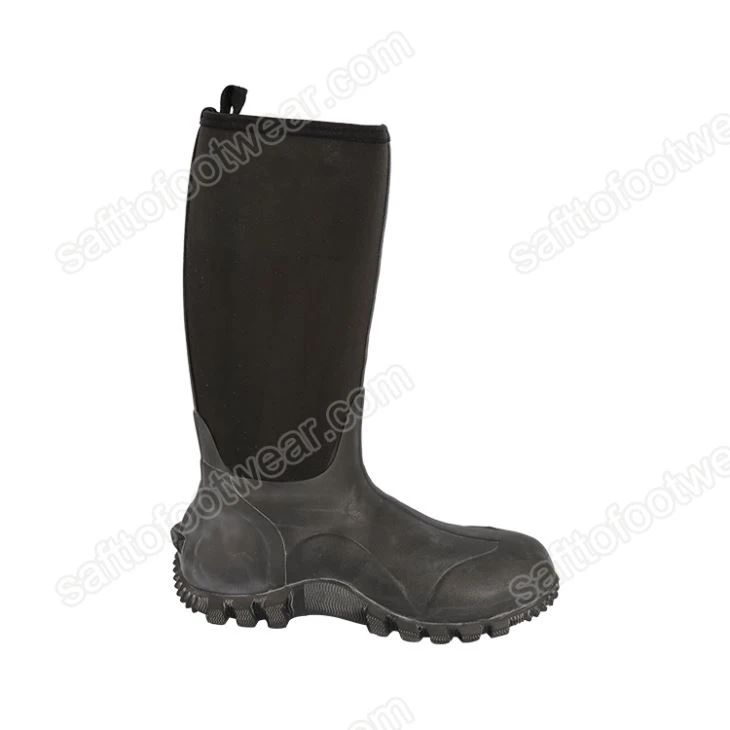
You can use a pressure chamber or a simple DIY setup. For a DIY setup, you can place the boots inside a large plastic bag and seal it tightly around the top of the boots. Then, use a pump to gently increase the pressure inside the bag. This simulates the pressure exerted on the boots when walking through water.
As the pressure increases, carefully monitor the inside of the boots for any signs of water penetration. If water starts to seep in, it means the boots cannot withstand the pressure and are not suitable for high - pressure wet conditions.
Material Quality Check
The quality of the material used in the rain boots plays a crucial role in their waterproofness. High - quality rubber, PVC, or other waterproof materials are commonly used in rain boot manufacturing. When checking the boots, consider the feel and texture of the material.
Good - quality waterproof materials should be smooth and free of any rough or porous areas. A rough or porous surface can allow water to penetrate more easily. Also, check the flexibility of the material. A flexible material can better adapt to different movements without cracking, which helps maintain the waterproof integrity.
In our production process, we source only the highest - quality materials for our rain boots. We conduct regular material inspections to ensure that they meet our strict waterproofing standards.
Maintenance and Long - Term Waterproofness
Even if rain boots pass all the waterproof tests initially, proper maintenance is essential to keep them waterproof over time. Avoid exposing the boots to sharp objects or abrasive surfaces that can damage the material. Clean the boots regularly with mild soap and water to remove dirt and debris that may affect the waterproof coating.
If the boots have a waterproof coating, you may need to re - apply it periodically according to the manufacturer's instructions. This can help restore the waterproof performance and extend the lifespan of the boots.
Conclusion
Checking the waterproofness of rain boots is crucial for both consumers and suppliers. By using methods such as visual inspection, water immersion test, spray test, pressure test, and material quality check, we can ensure that our rain boots meet the highest standards of waterproof performance.
As a rain boots supplier, we are committed to providing high - quality waterproof boots. Our Anti skid Rubber Waterproof Boots, Acid and Alkali Resistant Waterproof Boots, and Breathable Outdoor Rubber Boots are all designed and tested to keep your feet dry in various wet conditions.
If you are interested in purchasing our rain boots or have any questions about their waterproofness or other features, please feel free to contact us for more information and to start a procurement negotiation.
References
- "Footwear Technology and Design" by John B. Stephens
- Industry standards and guidelines for waterproof footwear manufacturing.