

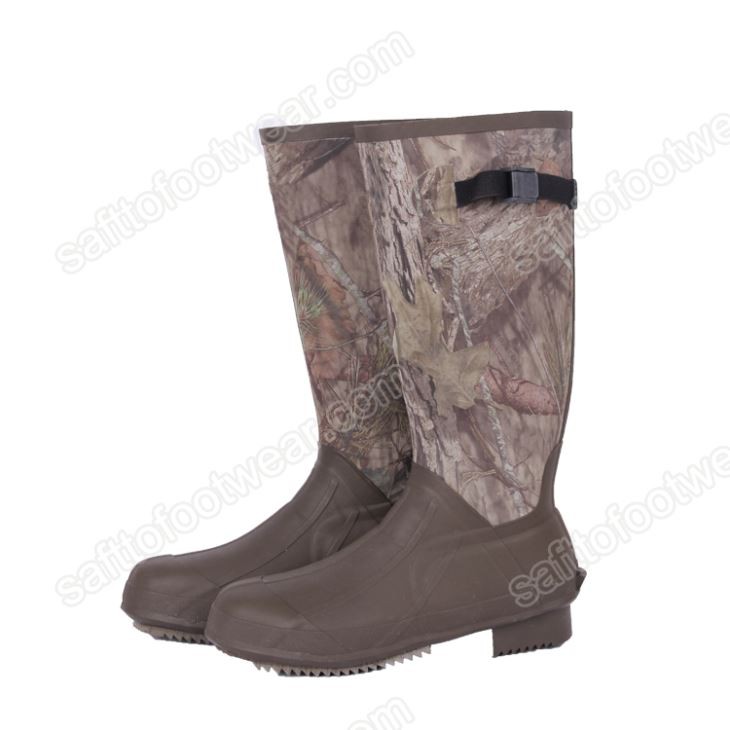
Hey there! If you're in the market for a pair of reliable work boots, you've probably come across two popular options: rubber and leather. As a supplier of rubber work boots, I've seen firsthand how both materials have their unique strengths and weaknesses. So, let's dive into the nitty - gritty of how rubber work boots stack up against leather work boots.
Comfort
Let's start with comfort. Rubber work boots are often praised for their immediate comfort. They're generally lightweight, which means less strain on your feet and legs throughout the long workday. Many rubber boots come with built - in cushioned insoles, providing good shock absorption. This is great if you're on your feet a lot, especially on hard surfaces like concrete floors in warehouses.
On the flip side, leather boots may take some time to break in. Initially, they can feel stiff and tight. But once they're broken in, they mold to the shape of your feet, offering a custom - fit kind of comfort. Leather is also breathable, allowing air to circulate and keep your feet dry. But if you need a boot that's comfortable right out of the box, rubber might be the better choice.
Durability
Durability is a key factor when you're investing in work boots. Rubber work boots are incredibly resistant to water and moisture. They're perfect for jobs that involve working in wet conditions, like fishing, farming, or construction sites with puddles. Rubber doesn't rot or rust, so it maintains its integrity even when constantly exposed to water. Some rubber boots, like our Oil Resistant Rubber Work Boots, are also resistant to oils and chemicals, making them ideal for industrial settings.
Leather boots are known for their long - term durability. High - quality leather can last for years with proper care. However, leather is vulnerable to water damage. If not treated with waterproofing agents regularly, it can become stiff, crack, and lose its shape. But in dry work environments, leather boots can be a real workhorse.
Traction
When it comes to traction, both rubber and leather have their features. Rubber soles are designed to provide excellent grip on various surfaces. Whether it's a slippery factory floor, a muddy farm field, or a snow - covered sidewalk, rubber work boots offer reliable traction. The flexibility of rubber allows it to conform to the surface, increasing the contact area and reducing the risk of slips and falls. For example, our Rubber Boots for Farm Work are engineered to handle the uneven and often wet terrain of farms.
Leather boots also offer decent traction, especially if they have a good quality sole. However, leather soles can become slick when wet. To combat this, many leather work boots are equipped with rubber outsoles. These hybrid boots combine the durability of leather uppers with the traction benefits of rubber soles.
Style and Professionalism
In terms of style, leather work boots have a more professional and classic look. They're often associated with trades like carpentry, plumbing, and electrical work. Leather boots can be dressed up a bit, making them suitable for workplaces where a more polished appearance is required.
Rubber work boots, on the other hand, have a more utilitarian look. They're designed for function first, so they're not typically the go - to choice if you're aiming for a stylish appearance. But they come in a variety of colors and styles, and some are even designed to be more aesthetically pleasing while still maintaining their functionality.
Cost
Cost is always a consideration. Generally, rubber work boots are more affordable upfront. They're mass - produced, which helps keep the cost down. This makes them a great option if you're on a tight budget or if you need to buy multiple pairs for a team.
Leather boots, especially those made from high - quality leather, can be significantly more expensive. But considering their long - term durability, they can be a cost - effective investment over time. You'll be paying more initially, but you might not have to replace them as often as rubber boots.
Safety Features
Safety is non - negotiable in the workplace. Rubber work boots can be a great choice for jobs that require protection from electrical hazards. Rubber is an insulator, which means it can protect you from electrical shocks. Our Chemical Resistant Rubber Boots also offer protection from various chemicals, reducing the risk of skin exposure and chemical burns.
Leather boots can also be equipped with safety features like steel toes, puncture - resistant soles, and ankle support. However, they might not be as effective as rubber boots in protecting against certain hazards like water and chemicals.
Maintenance
Maintenance is another aspect to consider. Rubber work boots are relatively low - maintenance. You can simply rinse them off with water if they get dirty. If they have any scuffs or minor damages, they can usually be repaired easily.
Leather boots require more attention. They need to be cleaned regularly and treated with conditioners to keep the leather soft and supple. You also have to be careful about storing them in a dry place to prevent mold and mildew growth.
Conclusion
So, which one is better, rubber or leather work boots? Well, it depends on your specific needs. If you work in wet, oily, or chemically - exposed environments, rubber work boots are likely the better option. They're comfortable right away, offer great protection against water and chemicals, and usually come at a lower cost.
On the other hand, if you're in a dry workplace and you value a more professional look and long - term durability, leather work boots might be more your style. They might take some breaking in, but they'll serve you well for years with proper care.
If you're interested in our range of rubber work boots, we'd love to have a chat with you. Whether you're a small business owner looking for work boots for your team or an individual in need of reliable footwear for your job, we're here to help you find the perfect pair. Reach out to us to discuss your requirements and start the procurement process.

References
- "The Ultimate Guide to Work Boots" by Work Boot Reviews.
- "Materials in Footwear Manufacturing" by Footwear Technology Journal.
- "Safety in the Workplace: Footwear Considerations" by Occupational Safety Magazine.