

As a supplier of outdoor rubber boots, I understand the importance of comfort in these essential pieces of footwear. Whether you're a farmer, a hiker, a fisherman, or simply someone who needs reliable protection from the elements, a comfortable pair of outdoor rubber boots can make all the difference. In this blog post, I'll share some tips and tricks on how to make your outdoor rubber boots more comfortable, based on my experience in the industry.
Choose the Right Size and Fit
The first step in ensuring comfort is to choose the right size and fit for your boots. Ill-fitting boots can cause a range of problems, from blisters and calluses to foot pain and fatigue. When trying on boots, make sure there is enough room in the toe box for your toes to move freely, but not so much that your foot slides around inside the boot. You should also be able to comfortably flex your foot at the ankle without feeling any tightness or restriction.
It's also important to consider the width of the boot. Some people have wider feet than others, and wearing boots that are too narrow can be extremely uncomfortable. Look for boots that come in different widths or that have adjustable features, such as laces or straps, to help you achieve a better fit.

Invest in Quality Socks
The socks you wear with your outdoor rubber boots can have a big impact on your comfort. Look for socks that are made from moisture-wicking materials, such as merino wool or synthetic blends. These materials help to keep your feet dry by wicking away sweat, which can prevent blisters and odor.
Thick, cushioned socks can also provide extra padding and support, which can help to reduce foot fatigue. However, be careful not to wear socks that are too thick, as this can make your boots feel tight and uncomfortable.
Add Insoles for Extra Comfort
If your boots don't come with comfortable insoles, or if you find that the existing insoles are not providing enough support, consider adding aftermarket insoles. There are many different types of insoles available, each designed to address specific foot problems or provide different levels of support.
For example, if you have flat feet, you may benefit from insoles that provide arch support. If you have heel pain, look for insoles that have extra cushioning in the heel area. You can find insoles at most sporting goods stores or online.
Break in Your Boots Slowly
New boots can be stiff and uncomfortable at first, but with a little time and patience, they will mold to the shape of your feet and become more comfortable. To break in your boots slowly, start by wearing them for short periods of time, gradually increasing the amount of time you wear them each day.
You can also try wearing your boots around the house for a few days before taking them out on a long hike or other outdoor activity. This will help to soften the leather or rubber and make the boots more flexible.
Keep Your Boots Clean and Dry
Proper maintenance is essential for keeping your outdoor rubber boots in good condition and ensuring their comfort. After each use, clean your boots with a soft brush or cloth to remove any dirt, mud, or debris. You can also use a mild soap and water to clean the boots, but make sure to rinse them thoroughly and dry them completely before storing them.
It's also important to keep your boots dry. If your boots get wet, remove the insoles and let them dry separately. Then, stuff the boots with newspaper or a dry towel to help absorb any moisture and shape the boots. Avoid drying your boots near a heat source, as this can cause the rubber to crack or the leather to dry out.
Consider Boot Accessories
There are several accessories that you can use to make your outdoor rubber boots more comfortable. For example, you can use boot liners to add an extra layer of insulation and moisture-wicking properties. Boot liners are available in a variety of materials, including wool, fleece, and synthetic blends.
You can also use boot pads or cushions to provide extra padding and support in specific areas of the boot. For example, you can use heel pads to reduce heel pain or ball-of-foot pads to relieve pressure on the front of the foot.
Our Comfortable Outdoor Rubber Boots
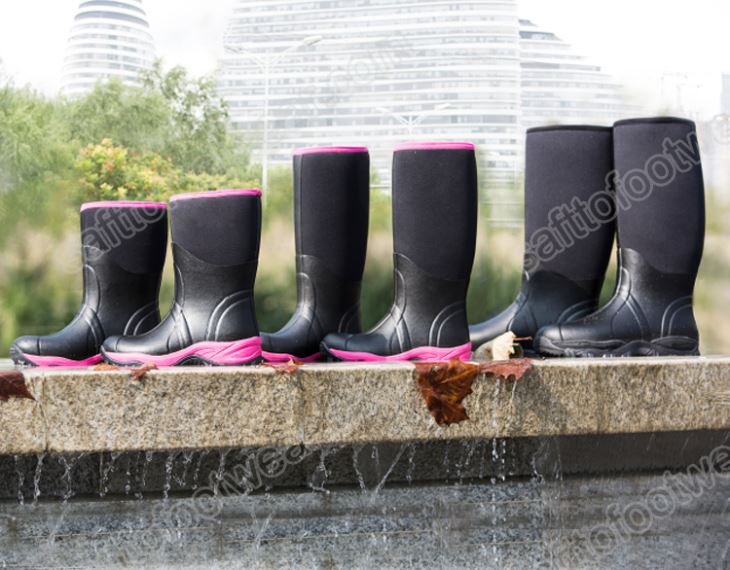
At our company, we offer a wide range of outdoor rubber boots that are designed with comfort in mind. Our Female Wellington Lightweight Rubber Waterproof Boots are perfect for women who need a lightweight and waterproof boot for outdoor activities. These boots are made from high-quality rubber and feature a comfortable lining and a cushioned insole.
Our Comfortable and Stylish Lifestyle Rubber Boots are designed for everyday wear. They are available in a variety of colors and styles, so you can find a pair that matches your personal style. These boots are also very comfortable, thanks to their soft rubber construction and cushioned insoles.
If you're looking for a more rugged boot, our Camouflage Waterproof Rubber Ankle Boots are a great choice. These boots are designed for outdoor activities such as hunting, fishing, and hiking. They are made from durable rubber and feature a waterproof construction and a non-slip sole.
Conclusion
Making your outdoor rubber boots more comfortable is all about choosing the right size and fit, investing in quality socks and insoles, breaking in your boots slowly, keeping them clean and dry, and considering boot accessories. By following these tips, you can ensure that your boots provide the comfort and support you need for all your outdoor activities.
If you're interested in purchasing a pair of comfortable outdoor rubber boots, please don't hesitate to contact us. We would be happy to help you find the perfect pair of boots for your needs.
References
- "How to Break in New Boots." REI Co-op, https://www.rei.com/learn/expert-advice/breaking-in-boots.html.
- "The Best Socks for Hiking." Backpacker, https://www.backpacker.com/gear/socks/best-hiking-socks/.
- "Insoles for Flat Feet: What to Look For." Healthline, https://www.healthline.com/health/flat-feet/insoles.