

As a long - time supplier of Winter Warm Hunting Boots, I often get asked the age - old question: "Do winter warm hunting boots have a good grip on snow?" Let's dig into this topic and find out the ins and outs.
First of all, we need to understand the nature of snow. Snow can be in different forms - powdery, slushy, or compacted. Each type of snow poses unique challenges for boots. Powdery snow, for example, is light and fluffy, but it can make it easy to slip as it doesn't offer much resistance. Slushy snow, a mix of snow and water, is both slippery and heavy, and compacted snow is like a frozen layer on the ground, hard and smooth.
When it comes to our winter warm hunting boots, we've put a great deal of thought and research into the sole design. The soles are the key to getting a good grip on snow. Most of our boots feature a deep - lug tread pattern. These lugs act like little claws that dig into the snow. When you step on the snow, the lugs penetrate the surface, creating friction and preventing you from slipping.
For instance, take a look at our Mountain Lace up Rubber Hunting Boots. The sole of these boots has a specifically engineered lug pattern. The lugs are strategically placed and sized to handle different types of snow. On powdery snow, the lugs can sink in easily, giving you a solid foundation. In slushy conditions, the wide grooves between the lugs help to channel out the water and slush, maintaining the boot's contact with the ground. And on compacted snow, the edges of the lugs bite into the hard surface, providing that much - needed grip.
Another factor that affects grip is the material of the sole. Our boots use high - quality rubber compounds that are designed to remain flexible even in cold temperatures. You might be thinking, "Why is flexibility important?" Well, a flexible sole can better conform to the uneven surface of the snow. It can adjust to the contour of the ground, maximizing the contact area between the boot and the snow. This increased contact area means more friction and better grip.
Our Mens Hunting Rubber Rain Boots are a prime example of this. The rubber sole is made from a special blend that doesn't harden in the cold. Even when the mercury drops well below freezing, the sole stays flexible and provides excellent traction on snow. This is crucial because if the sole becomes rigid, it can't adapt to the snow surface, and you're more likely to slip and fall.
Now, let's talk about the heel design of our boots. A proper heel design can also contribute to good grip on snow. Our boots have a low - profile heel that helps to keep your center of gravity stable. When you're walking on snow, keeping your balance is half the battle. A high heel can throw off your balance and make you more prone to slips. With our low - profile heel, you can walk more confidently on snowy terrain.
The Neoprene Wellington Hunting Boots are a great illustration of this. The well - designed heel not only provides stability but also works in conjunction with the sole's tread pattern. As you take each step, the heel and sole work together to dig into the snow and provide a secure foothold.
But what about real - world testing? We don't just rely on theory; we've put our boots through rigorous field tests. Our team of hunters and outdoor enthusiasts has taken our boots to some of the harshest winter environments. They've trekked through deep snow in the mountains, walked on frozen lakes, and hiked through slushy trails. The feedback we've received has been overwhelmingly positive. Hunters have reported feeling confident and secure in our boots, even in the most challenging snow conditions.
Of course, there are some additional tips you can follow to enhance the grip of your winter hunting boots on snow. One simple thing is to make sure the soles are clean. Snow, mud, and ice can build up in the lugs over time, reducing the boot's traction. Regularly brushing off the soles can help to keep the lugs clear and in good working condition.

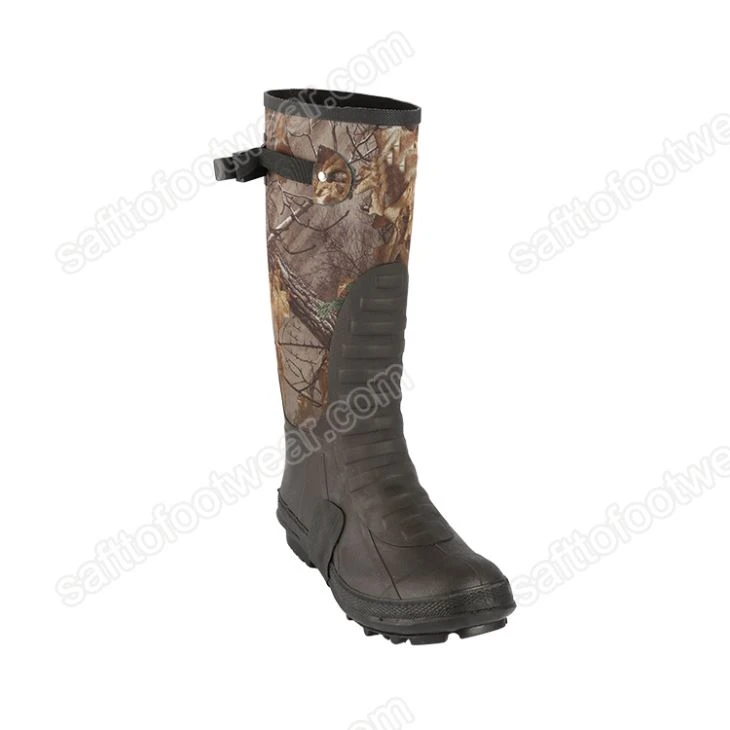
Another tip is to choose the right pair of boots for the specific snow conditions you'll be facing. If you're going to be in powdery snow most of the time, a boot with deeper and wider lugs might be the best choice. For more mixed conditions, a boot with a versatile tread pattern like the ones we offer can handle it all.
In conclusion, our winter warm hunting boots are designed to have a great grip on snow. Through careful sole design, high - quality materials, and thoughtful heel construction, we've created boots that can keep you safe and stable in winter hunting environments. Whether you're a professional hunter or someone who just enjoys the occasional winter outdoor adventure, our boots are up to the task.
If you're interested in purchasing our winter warm hunting boots or have any questions about our products, we'd love to hear from you. Reach out to us to start a conversation about your needs and how our boots can meet them. We're here to help you make the most of your winter hunting experiences.
References
- Snow and Ice Traction Research, Outdoor Footwear Institute
- Winter Boot Performance Studies, Cold Climate Gear Association