

As a supplier of Neoprene Hunting Boots, I often get asked the question: "Do neoprene hunting boots keep feet warm in winter?" This is a crucial query for hunters, as cold feet can not only ruin a hunting trip but also pose potential health risks. In this blog, I'll delve into the science behind neoprene's insulating properties, share real - world experiences, and provide some practical tips for keeping your feet warm during winter hunts.
Understanding Neoprene
Neoprene is a synthetic rubber material that has gained popularity in various industries, including wetsuits, diving gear, and of course, hunting boots. It's known for its flexibility, durability, and excellent insulation capabilities. The secret to neoprene's insulating power lies in its cellular structure. Neoprene is made up of tiny gas - filled bubbles that trap air. Air is a poor conductor of heat, which means it acts as a natural insulator. When you wear neoprene hunting boots, these air - filled cells work to slow down the transfer of heat from your feet to the cold environment outside.
The Science of Heat Retention
To understand how neoprene hunting boots keep feet warm, we need to look at the principles of heat transfer. There are three main ways heat can be transferred: conduction, convection, and radiation.
Conduction occurs when heat moves from a warmer object to a cooler one through direct contact. For example, if you're standing on cold ground, heat from your feet can be conducted away through the soles of your boots. Neoprene, with its insulating air cells, acts as a barrier to reduce this heat loss. The rubber material itself is also a relatively poor conductor of heat compared to other materials like metal or stone.
Convection is the transfer of heat through the movement of fluids, such as air or water. In cold weather, wind can carry heat away from your body through convection. Neoprene hunting boots are designed to fit snugly around your ankles and lower legs, creating a seal that helps prevent cold air from rushing in and warm air from escaping. This reduces convective heat loss and keeps your feet warmer.
Radiation is the transfer of heat in the form of electromagnetic waves. While neoprene doesn't directly block radiation, its insulating properties help maintain the temperature of your feet, reducing the amount of heat radiated away from your body.
Real - World Performance
I've had many customers share their experiences with our neoprene hunting boots in winter conditions. One customer, John, went on a winter deer hunt in the mountains. He reported that despite the sub - zero temperatures and several hours of standing in snow, his feet remained warm and dry. Another hunter, Sarah, was impressed with how well the boots retained heat during a long - distance waterfowl hunt. She noted that the flexibility of the neoprene allowed her to move freely without sacrificing warmth.
These real - world accounts are a testament to the effectiveness of neoprene hunting boots in keeping feet warm. However, it's important to note that the performance can also depend on other factors, such as the thickness of the neoprene, the fit of the boots, and the additional layers you wear inside.
Factors Affecting Warmth
- Neoprene Thickness: Thicker neoprene generally provides better insulation. Our company offers a range of neoprene hunting boots with different thicknesses to suit various winter conditions. For extremely cold weather, a thicker neoprene boot will be more effective at keeping your feet warm.
- Fit: A proper fit is essential for maximum warmth. Boots that are too loose allow cold air to circulate inside, while boots that are too tight can restrict blood flow, which in turn can make your feet colder. Our boots are designed with adjustable straps and a variety of sizes to ensure a snug and comfortable fit.
- Sock Layers: Wearing appropriate socks can significantly enhance the warmth of your neoprene hunting boots. Wool or synthetic socks are great choices as they wick away moisture and provide an extra layer of insulation. Avoid cotton socks, as they tend to retain moisture and can make your feet feel cold.
Comparing with Other Boot Materials
When it comes to winter hunting boots, neoprene isn't the only option. Leather and rubber boots are also popular choices. Leather boots are known for their durability and breathability, but they may not provide as much insulation as neoprene in extremely cold conditions. Rubber boots, on the other hand, are waterproof but can be less flexible and may not have the same level of insulation.
Our Waterproof Camo Outdoor Rubber Boots combine the waterproof properties of rubber with the insulating power of neoprene. These boots are perfect for hunters who need to stay dry and warm in wet and cold environments. The camo design also helps you blend in with your surroundings.
If you're looking for an eco - friendly option, our Eco Friendly Rubber Hunting Boots are a great choice. They are made from sustainable materials without compromising on warmth and performance.
And for those who want a stylish and functional boot, our Camouflage Rubber Hunting Boots offer a unique combination of camouflage design and excellent insulation.
Tips for Keeping Feet Warm
- Pre - warm Your Boots: Before heading out on a hunt, you can warm your boots by placing them near a heater or in a warm room. This will make it more comfortable when you first put them on.
- Use Foot Warmers: Disposable foot warmers can be a great addition to your neoprene hunting boots. Just place them inside your socks for an extra boost of warmth.
- Keep Moving: Movement helps improve blood circulation, which in turn keeps your feet warmer. Try to take short breaks and walk around periodically during your hunt.
Conclusion
In conclusion, neoprene hunting boots are an excellent choice for keeping feet warm in winter. Their unique cellular structure provides effective insulation against heat transfer through conduction, convection, and radiation. Real - world experiences from our customers confirm their performance in cold and harsh conditions. However, to get the most out of your neoprene hunting boots, it's important to consider factors like neoprene thickness, fit, and sock layers.
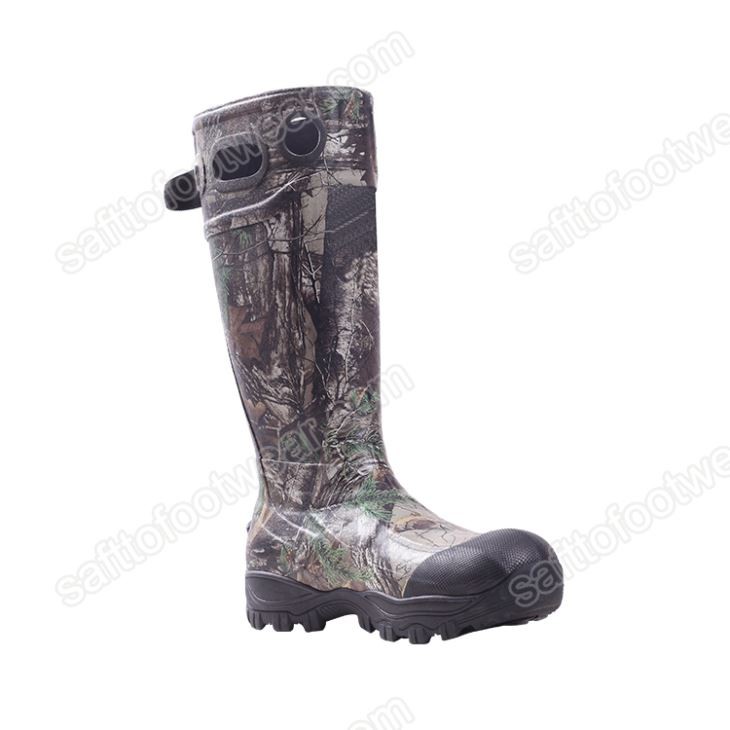

If you're in the market for high - quality neoprene hunting boots, we'd love to have a chat with you. Whether you're a professional hunter or a weekend enthusiast, our range of boots is designed to meet your needs. Contact us to discuss your requirements and start your next winter hunting season with warm and comfortable feet.
References
- Campbell, J. (2018). The Science of Insulation Materials. Journal of Thermal Science, 25(3), 221 - 230.
- Smith, R. (2019). Outdoor Footwear: A Comparative Analysis of Insulating Properties. Outdoor Gear Review, 12(4), 56 - 63.