

Do farm insulated rubber boots have a sole that is easy to clean? That's a question I get asked a lot as a supplier of Farm Insulated Rubber Boots. You bet, I've got plenty to say on this topic, so let me break it down for you.
First off, let's talk about what makes these boots so great in general. Farm life is no joke, right? You're out there dealing with mud, manure, and all kinds of gunk. That's why having a good pair of Farm Insulated Rubber Boots is essential. They keep your feet warm, dry, and protected from all the nastiness that comes with working on a farm.
Now, let's zero in on the sole. The sole of a farm boot is like the foundation of a house. It's what keeps you stable, helps you move around, and of course, it's the part that gets the dirtiest. So, is it easy to clean? Well, it depends on a few things.
The Material of the Sole
Most farm insulated rubber boots have soles made from rubber or a rubber - like compound. Rubber is a pretty great material for soles. It's durable, flexible, and slip - resistant. And when it comes to cleaning, it's also a champ. Rubber doesn't absorb dirt and grime like some other materials. So when you're done with a long day on the farm, all that mud and muck is just sitting on the surface of the sole.

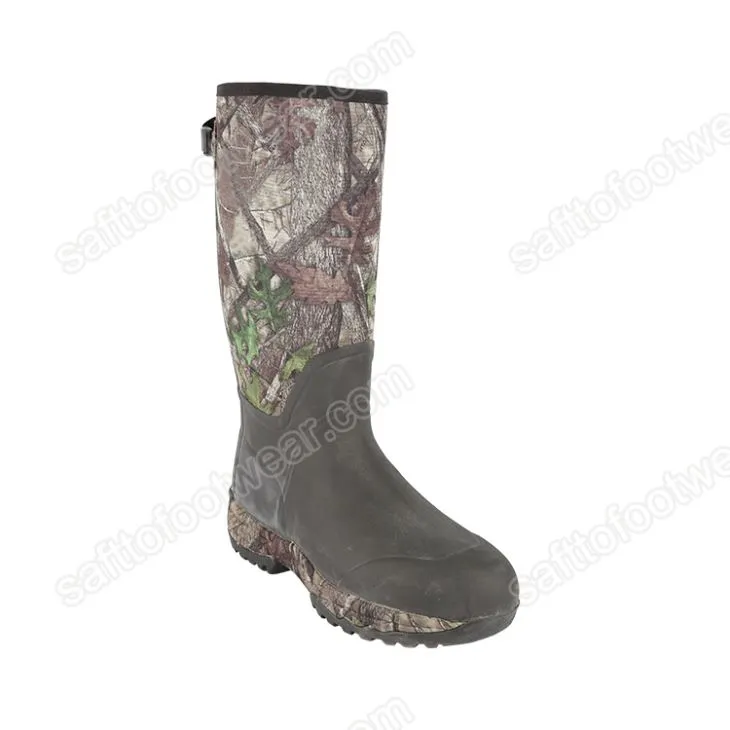
You can usually start by giving the boots a good shake. This will get rid of a lot of the loose dirt and debris. Then, a simple rinse with a garden hose can wash away most of what's left. For those stubborn bits of dried mud or manure, a stiff brush can come in handy. Just scrub gently, and the rubber sole can take it without getting damaged.
The Tread Design
Another factor that affects how easy the sole is to clean is the tread design. A well - designed tread is crucial for traction in muddy or slippery farm conditions. But some treads are more cleverly designed for cleaning than others.
Some boots have deep, wide channels in the tread. These channels do a great job of channeling water, mud, and other stuff away from your feet as you walk. And when it's time to clean, they also make it easier for the dirt to rinse out. The wider and deeper the channels, the less likely dirt is to get stuck in there.
On the other hand, if a boot has very narrow or shallow treads, dirt can get packed in more tightly. Cleaning these types of soles can be a bit more of a hassle. You might have to use a small tool, like an old toothbrush, to get into those tight spaces and dislodge the dirt.
The Coating on the Sole
Some manufacturers also apply special coatings to the soles of their farm insulated rubber boots. These coatings can serve multiple purposes. One of them is to make the sole easier to clean.
For example, there are hydrophobic coatings that repel water. When water beads up and rolls off the sole, it takes a lot of the dirt with it. This means less scrubbing and brushing for you. There are also anti - stick coatings that prevent mud and other substances from adhering to the sole in the first place.
Comparing with Other Types of Boots
Let's compare farm insulated rubber boots with other types of boots you might use on a farm. For instance, leather boots are a classic choice, but their soles can be a pain to clean. Leather is porous, and when dirt gets into the pores, it's much harder to remove. You might need to use special leather cleaners and conditioners, and even then, it's not always a quick or easy process.
And what about Breathable Outdoor Rubber Boots? These are great for keeping your feet cool and dry when you're working outside. But in terms of sole cleaning, farm insulated rubber boots often have an edge. The thicker rubber soles of farm boots are more robust and better able to withstand the rough and tumble of farm work and the cleaning process.
Another type to consider is Anti Corrosive Waterproof Rubber Boots. While they offer excellent protection against corrosion and water, the sole cleaning process is quite similar to that of farm insulated rubber boots. However, depending on the specific use case, the dirt and substances they encounter might be different, which could affect the cleaning difficulty.
Tips for Keeping the Soles Clean
Here are some tips to make sure your farm insulated rubber boots' soles stay clean and in good condition.
- Clean them regularly: Don't let the dirt build up. After each use, give the boots a quick rinse if possible. This will prevent the dirt from hardening and becoming more difficult to remove.
- Use the right tools: As I mentioned earlier, a stiff brush and a garden hose are your best friends. You can also keep an old toothbrush handy for those hard - to - reach spots.
- Store them properly: When you're not using your boots, store them in a dry, cool place. This will prevent the rubber from cracking and make the cleaning process easier next time you use them.
Making the Right Choice
If you're in the market for a new pair of farm boots, and easy - to - clean soles are a priority for you, here are some things to look for. First, check the material and the quality of the rubber. A high - quality rubber sole will be more durable and easier to clean. Second, pay attention to the tread design. Look for boots with wide, deep channels in the tread. And finally, ask the manufacturer if they've applied any special coatings to the sole.
As a supplier of Farm Insulated Rubber Boots, I know how important it is to have boots that are not only functional but also easy to maintain. If you're interested in learning more about our products or have any questions about sole cleaning or anything else related to farm boots, feel free to reach out. We're always here to help you make the right choice for your farm needs. Whether you're a small - scale farmer or running a large agricultural operation, having the right boots can make a world of difference. So, don't hesitate to start a conversation and see how we can assist you in getting the perfect pair of boots for your work.
References
- General knowledge about farm boots from years of experience in the industry.
- Product research and testing on different types of farm boots.