

Can wetland rubber hunting boots be used for hunting in coastal wetlands?
As a supplier of Wetland Rubber Hunting Boots, I've received numerous inquiries about the suitability of our products for hunting in coastal wetlands. This is a crucial question, as the unique environmental conditions of coastal wetlands demand specific features from hunting boots. In this blog, I'll delve into the factors that determine whether wetland rubber hunting boots are a good fit for coastal wetland hunting and highlight the advantages of our offerings.
Understanding Coastal Wetlands
Coastal wetlands are dynamic ecosystems that blend the characteristics of land and sea. They are characterized by fluctuating water levels, varying salinity, soft mud, and a diverse range of wildlife. The water in coastal wetlands can be brackish, a mixture of fresh and saltwater, which poses unique challenges to hunting gear. The terrain is often soft and muddy, requiring boots with excellent traction to prevent slipping and sinking. Additionally, the presence of sharp shells, rocks, and marine debris means that boots need to be durable and puncture - resistant.
Features of Wetland Rubber Hunting Boots
Our wetland rubber hunting boots are designed with several features that make them potentially suitable for coastal wetland hunting.
Waterproofness: One of the primary requirements for hunting in coastal wetlands is waterproof boots. Our rubber boots are completely waterproof, ensuring that your feet stay dry even when wading through shallow water. This is essential not only for comfort but also for preventing hypothermia, especially in colder climates. The rubber material acts as a barrier against water, keeping your feet protected from the brackish water of the coastal wetlands.
Traction: The soles of our wetland rubber hunting boots are engineered with deep lugs and a specialized tread pattern. This provides excellent grip on the slippery and uneven surfaces commonly found in coastal wetlands. Whether you're walking on wet mud, rocks, or shells, the boots' traction helps you maintain stability and reduces the risk of falls.
Durability: Coastal wetlands can be harsh on boots. The abrasive nature of sand, shells, and rocks, combined with the corrosive effects of saltwater, can quickly wear down inferior boots. Our rubber boots are made from high - quality, thick rubber that is resistant to punctures, abrasions, and corrosion. This ensures that the boots can withstand the rigors of coastal wetland hunting and last for multiple hunting seasons.
Insulation: For hunting in coastal wetlands during colder months, insulation is crucial. Our Four Seasons Insulated Rubber Hunting Boots are designed to keep your feet warm in cold water and air temperatures. The insulation helps to retain body heat, allowing you to stay comfortable and focused on your hunt for longer periods.
Advantages of Using Our Boots in Coastal Wetlands
Comfort: Our wetland rubber hunting boots are designed with comfort in mind. They have a roomy toe box that allows your toes to move freely, reducing the risk of blisters and cramps. The boots also feature a padded collar and tongue, which provides additional comfort around the ankle and helps to prevent chafing.
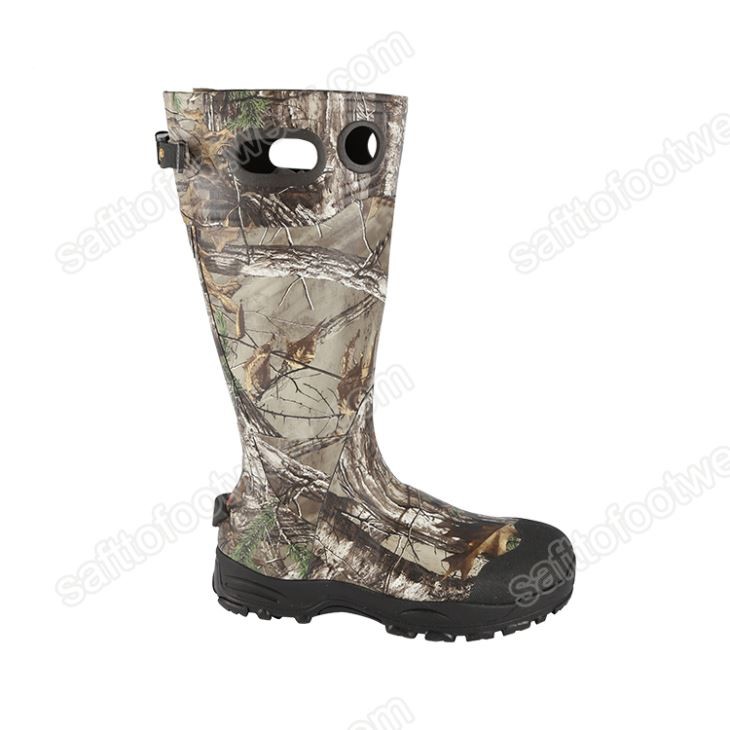

Versatility: In addition to hunting, our boots can be used for other activities in coastal wetlands, such as bird watching, fishing, or nature photography. Their versatility makes them a valuable investment for outdoor enthusiasts who spend time in these environments.
Visibility: Some of our models, like the Waterproof Camo Outdoor Rubber Boots, come in camouflage patterns. This not only helps you blend in with the coastal wetland environment but also increases your safety by making you more visible to other hunters in low - light conditions.
Considerations for Coastal Wetland Hunting
While our wetland rubber hunting boots have many features that make them suitable for coastal wetland hunting, there are a few additional considerations.
Salinity Resistance: The high salinity of coastal wetland water can cause some rubber materials to degrade over time. Our boots are treated with special coatings to enhance their resistance to saltwater corrosion. However, it's still important to rinse the boots thoroughly with fresh water after each use in coastal wetlands to remove any salt residue.
Height: The water levels in coastal wetlands can vary significantly. It's important to choose boots with an appropriate height to keep your legs dry. Our boots come in different heights, allowing you to select the one that best suits the typical water depths in the coastal wetland you'll be hunting in.
Conclusion
In conclusion, our wetland rubber hunting boots are well - suited for hunting in coastal wetlands. Their waterproofness, traction, durability, and insulation make them a reliable choice for hunters facing the unique challenges of these environments. Whether you're a seasoned hunter or a beginner, our boots can enhance your hunting experience in coastal wetlands.
If you're interested in learning more about our wetland rubber hunting boots or are looking to make a purchase, please don't hesitate to contact us for a procurement discussion. We're here to help you find the perfect boots for your coastal wetland hunting needs.
References
- "Coastal Wetlands: Their Ecology and Conservation" by John Day et al.
- "Field Guide to Hunting Gear" by Outdoor Enthusiast Press