

Can outdoor rubber boots be used for snowshoeing? That's a question I get asked a lot as a supplier of Outdoor Rubber Boots. Let's dig into this topic and find out if our trusty rubber boots can handle the snowshoeing challenge.
First off, let's talk about what snowshoeing is all about. Snowshoeing is basically hiking, but in the snow. Instead of sinking into the snow with every step, snowshoes distribute your weight over a larger area, allowing you to walk on top of the snowpack. It's a great way to enjoy the winter outdoors, get some exercise, and explore places that are covered in snow.
Now, let's look at outdoor rubber boots. Outdoor rubber boots are designed to keep your feet dry and protected in wet and muddy conditions. They're made from rubber, which is waterproof, and they usually have a durable sole for good traction. Some rubber boots are also insulated to keep your feet warm in cold weather.
So, can they work for snowshoeing? Well, it depends.
One of the biggest advantages of outdoor rubber boots is their waterproofness. Snow is, of course, water in its solid form, and when it melts or when you step into slushy areas, you want to keep your feet dry. Rubber boots do an excellent job of that. You won't have to worry about your feet getting soaked, which can lead to discomfort and even frostbite in extremely cold conditions.
Another plus is the traction. A lot of outdoor rubber boots come with a thick, rugged sole that provides good grip on various surfaces. When you're snowshoeing, you'll be walking on snow, ice, and possibly even some rocky or uneven terrain. Good traction is essential to prevent slips and falls, and many rubber boots can deliver that.
However, there are also some drawbacks to using outdoor rubber boots for snowshoeing. One of the main issues is insulation. If you're going snowshoeing in really cold temperatures, regular rubber boots might not keep your feet warm enough. Snowshoeing can be a strenuous activity, and you'll work up a sweat inside your boots. But once you stop moving, your feet can quickly get cold. That's why a high - level of insulation is crucial. Some of our Cold Weather Neoprene Outdoor Rubber Footwear are designed to handle lower temperatures, but it's still something to consider.
Another problem is the flexibility. Snowshoes require your feet and ankles to move in a certain way. You'll be lifting your feet more than usual and making a bit of a different walking motion. Some rubber boots might be a bit too stiff, which can make snowshoeing less comfortable and even affect your balance.
Boot height is also a factor. When snowshoeing, you might encounter deep snow. If your rubber boots aren't tall enough, snow can easily get inside, defeating the purpose of having waterproof boots. Our Wetland Waterproof Insulated Rubber Boots often have a higher shaft, which can be beneficial in deeper snow.
If you're planning a short snowshoeing trip in relatively mild winter conditions, outdoor rubber boots can be a viable option. For example, if you're just going for an hour - long walk in a local park where the snow isn't too deep and the temperature isn't extremely cold, a pair of Heavy Duty Rubber Waterproof Boots can work well. They'll keep your feet dry and give you the traction you need.
But for longer trips, in colder temperatures, or in areas with deep snow, you might want to consider specialized snow boots or snowshoe boots. These boots are specifically designed for snowshoeing, with better insulation, more flexibility, and taller shafts.
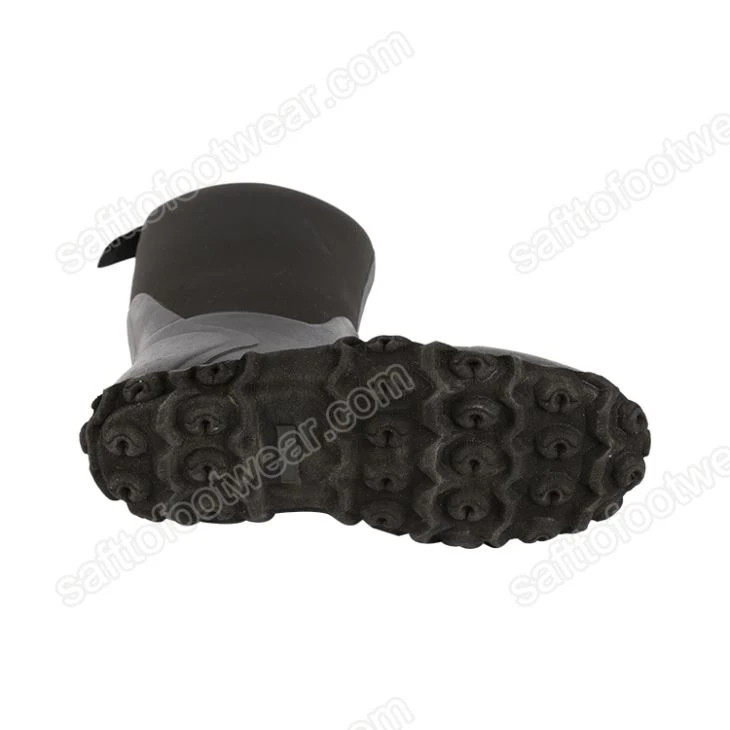
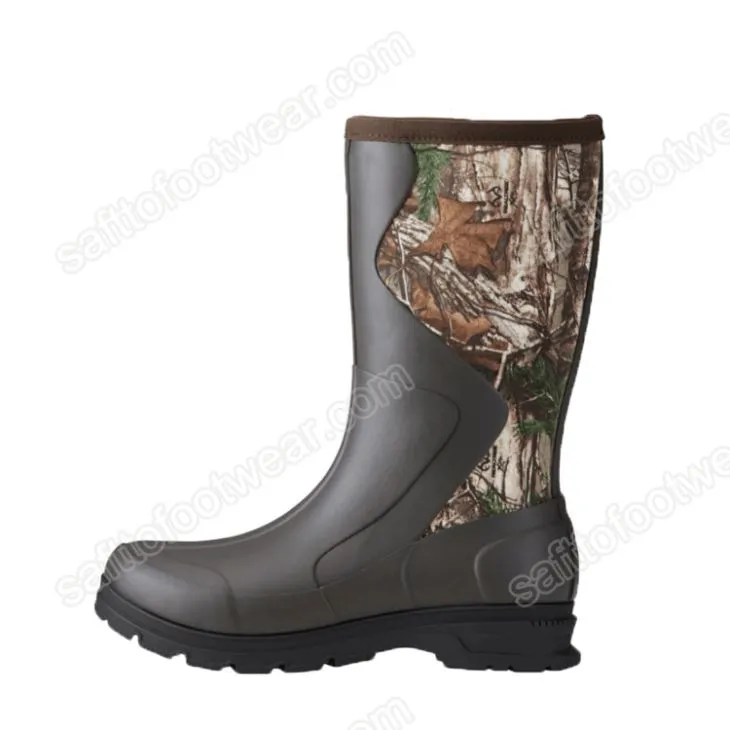
That being said, if you already own a good pair of outdoor rubber boots, it doesn't hurt to give snowshoeing a try with them. You can always wear extra warm socks for added insulation and make sure to take breaks and move around to keep your feet warm.
As a supplier of Outdoor Rubber Boots, I've seen customers use our boots in all sorts of conditions. Some have had great success using them for snowshoeing, while others have found that they're better suited for other outdoor activities like gardening, fishing, or walking in the rain.
If you're thinking about getting a pair of boots for snowshoeing or any other outdoor activity, I'd be happy to help you find the right one. Feel free to reach out to discuss your needs and preferences. We have a wide range of outdoor rubber boots that might just be the perfect fit for your next adventure.
In conclusion, outdoor rubber boots can be used for snowshoeing, but it really depends on the specific circumstances of your trip. Evaluate the temperature, snow depth, and length of your journey before making a decision.
References
- Outdoor Activity Gear Handbook
- Snowshoeing Enthusiast's Guide