

Hey there! As a supplier of special protective footwear, I often get asked a bunch of questions from folks in different industries. One question that pops up quite a bit is, "Can I replace the insoles of special protective footwear?" Well, let's dig into this topic and find out what's what.
First off, let's talk about why someone might want to replace the insoles in the first place. There are a few good reasons. Maybe the original insoles have worn out over time. Special protective footwear is often used in tough working conditions, like construction sites, factories, or mines. These places can be rough on your boots, and the insoles take a lot of abuse. After a while, they can lose their cushioning and support, making your feet feel tired and sore at the end of the day.
Another reason could be personal preference. Some people just like a certain type of insole better. Maybe they need extra arch support because they have flat feet, or they prefer a more cushioned insole for all-day comfort. Whatever the reason, the ability to replace the insoles can make a big difference in how your boots feel and perform.
Now, the answer to whether you can replace the insoles of special protective footwear isn't a simple yes or no. It depends on a few factors.
Compatibility
The first thing you need to consider is compatibility. Not all insoles will fit every pair of boots. Special protective footwear comes in all shapes and sizes, and the insoles are designed to fit the specific dimensions of the boot. You need to make sure that the replacement insole you choose is the right size and shape for your boots. If it's too big or too small, it won't fit properly, and it could even affect the way the boot functions.

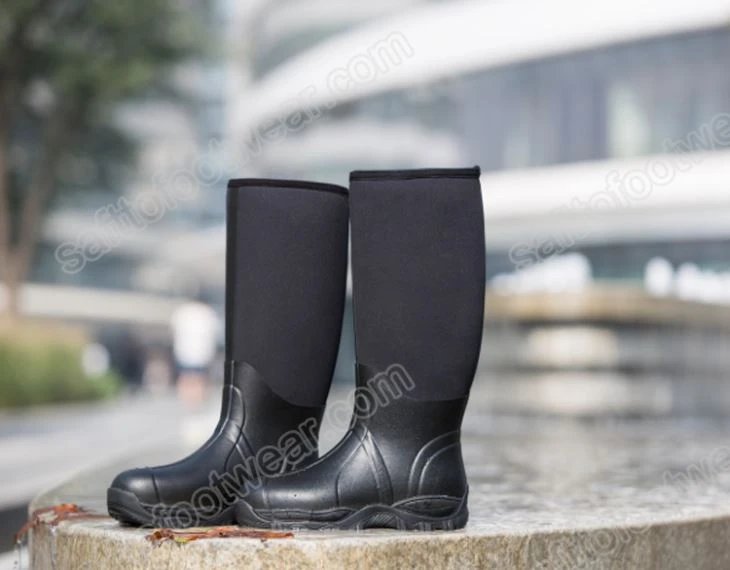
For example, if you have Antiskid and Abrasion Resistant Rubber Work Boots, you'll want to find an insole that fits the shape of the boot's footbed. These boots are designed for tough work environments, so you'll also want to make sure the insole is durable enough to withstand the same kind of wear and tear.
Safety Features
Another important factor is safety features. Special protective footwear is designed with specific safety features in mind, like steel toes, electrical hazard protection, or puncture resistance. When you replace the insoles, you need to make sure that you don't compromise these safety features.
Some insoles are designed to work with the safety features of the boot. For example, there are insoles that are specifically designed for steel-toe boots. These insoles are made to fit around the steel toe without interfering with its function. On the other hand, if you choose an insole that's too thick or rigid, it could push against the steel toe and cause discomfort or even damage to the boot.
If you're using Chemical and Slip Resistant Rubber Boots, you'll want to make sure that the replacement insole doesn't affect the boot's chemical resistance or slip resistance. Some insoles may have materials that could react with certain chemicals, or they may change the way the boot grips the ground.
Boot Design
The design of the boot also plays a role in whether you can replace the insoles. Some boots have removable insoles, while others have insoles that are permanently attached. If your boots have removable insoles, it's usually pretty easy to replace them. You just take out the old insole and put in the new one.
However, if the insoles are permanently attached, it can be more difficult. In some cases, it may not be possible to replace the insoles without damaging the boot. Before you try to replace the insoles in a boot with permanently attached insoles, you should check with the manufacturer or a professional shoe repair person.
Types of Replaceable Insoles
There are several types of replaceable insoles available on the market, each with its own benefits.
- Cushioned Insoles: These insoles are designed to provide extra comfort and shock absorption. They're great for people who spend a lot of time on their feet, like nurses, retail workers, or delivery drivers. Cushioned insoles can help reduce fatigue and prevent foot pain.
- Arch Support Insoles: If you have flat feet or high arches, arch support insoles can be a game-changer. They help distribute your weight evenly across your feet and provide support where you need it most. Arch support insoles can improve your posture and reduce the risk of foot problems like plantar fasciitis.
- Moisture-Wicking Insoles: For people who work in hot or humid environments, moisture-wicking insoles are a must. These insoles help keep your feet dry by absorbing sweat and preventing odor. They can also help prevent blisters and other foot problems caused by wet feet.
Tips for Replacing Insoles
If you've decided that you want to replace the insoles in your special protective footwear, here are some tips to help you do it right.
- Measure Twice, Buy Once: Before you buy a replacement insole, measure the length and width of your existing insole. Make sure to measure at the widest part of the footbed and at the heel. This will help you find an insole that fits properly.
- Choose the Right Material: Consider the material of the insole. Look for materials that are durable, breathable, and comfortable. Some common materials used in insoles include foam, gel, and leather.
- Follow the Manufacturer's Instructions: If your boots came with a user manual, check it for instructions on how to replace the insoles. Some boots may have specific requirements or recommendations.
- Test the Insoles: Once you've installed the new insoles, take a few steps around to make sure they feel comfortable. If they feel too tight or too loose, or if they cause any discomfort, you may need to try a different size or type of insole.
In conclusion, in most cases, you can replace the insoles of special protective footwear, but it's important to do it right. Make sure you choose an insole that's compatible with your boots, doesn't compromise the safety features, and meets your personal comfort needs.
If you're in the market for special protective footwear or need help finding the right replacement insoles, we're here to assist you. Whether you need Antiskid and Abrasion Resistant Rubber Work Boots, Chemical and Slip Resistant Rubber Boots, or Comfortable and Stylish Lifestyle Rubber Boots, we've got you covered. Contact us to start a procurement discussion and find the perfect footwear solutions for your needs.
References
- American Podiatric Medical Association. (n.d.). Footwear and Foot Health. Retrieved from https://www.apma.org/
- National Institute for Occupational Safety and Health (NIOSH). (n.d.). Foot Protection. Retrieved from https://www.cdc.gov/niosh/topics/foot/