

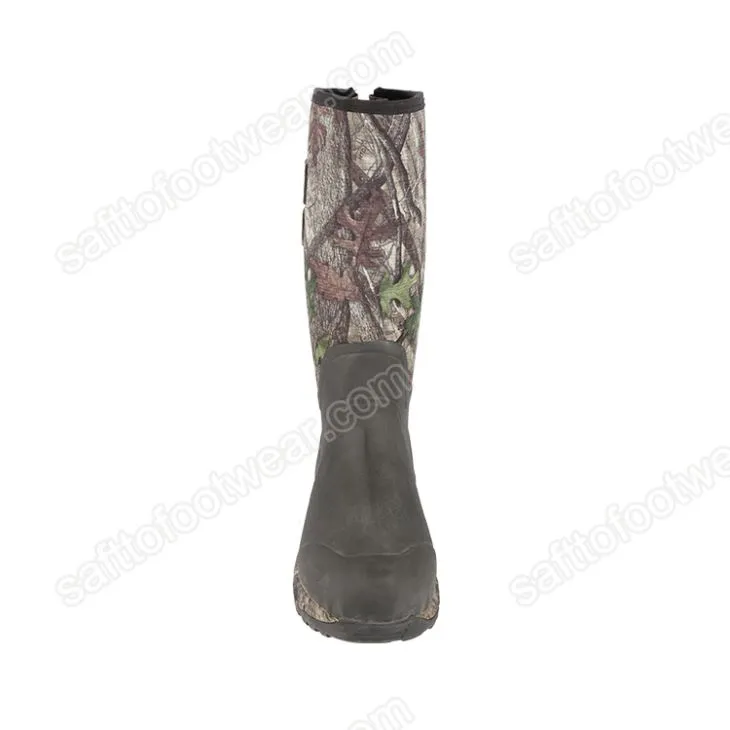
Farm insulated rubber boots are a staple for many agricultural workers, offering protection and comfort in various farming environments. However, a common question that arises is whether these boots can be effectively used in marshy areas. As a supplier of Farm Insulated Rubber Boots, I've encountered this query numerous times, and in this blog, I'll explore the suitability of these boots for marshy conditions.
Understanding Marshy Areas
Marshy areas are characterized by soft, water - logged soil, high humidity, and often a variety of organic and inorganic substances. The ground in marshes can be extremely muddy and uneven, posing challenges for footwear. Additionally, marsh water may contain chemicals, salts, and microorganisms that can potentially damage boots over time.
Features of Farm Insulated Rubber Boots
Farm insulated rubber boots are designed with several key features that make them a potential candidate for use in marshy areas.
Insulation
The insulation in these boots is crucial, especially in colder climates. Marshes can be cold, and the water in them can quickly sap body heat. Insulated boots help to keep the feet warm by providing a barrier between the cold water and the feet. This insulation is typically made of materials like neoprene or Thinsulate, which are effective at retaining heat.
Waterproofing
Rubber is a naturally waterproof material, and farm insulated rubber boots are fully waterproof. In marshy areas, where water is present almost everywhere, this waterproofing feature ensures that the feet stay dry. It prevents water from seeping into the boots and causing discomfort or even frostbite in cold conditions.
Durability
Farm work is tough, and these boots are built to last. They are made from high - quality rubber that can withstand abrasion from rocks, sticks, and other debris commonly found in marshy areas. The thick rubber also provides protection against punctures, which is important when walking on uneven ground with hidden sharp objects.
Traction
One of the most important aspects of using boots in marshy areas is traction. Farm insulated rubber boots often come with a specially designed outsole that provides excellent grip. The tread pattern is usually deep and aggressive, allowing the wearer to walk on slippery, muddy surfaces without slipping. For example, our Anti skid Rubber Waterproof Boots have a unique tread design that is optimized for wet and muddy conditions.
Potential Challenges
While farm insulated rubber boots have many advantages for marshy areas, there are also some potential challenges to consider.

Weight
The insulation and thick rubber make these boots relatively heavy. In marshy areas, where the ground is soft, the extra weight can make it more difficult to walk, especially for long periods. The wearer may find themselves expending more energy to move through the marsh.
Chemical Resistance
Marsh water can contain various chemicals, such as acids from decaying organic matter or salts from nearby bodies of water. While rubber is generally resistant to many chemicals, prolonged exposure to certain substances can cause the rubber to degrade. Our Anti Corrosive Waterproof Rubber Boots are treated to provide enhanced chemical resistance, but it's still important to be aware of the potential risks.
Breathability
Rubber is not a breathable material. In marshy areas, where the feet may be constantly in contact with water and the environment is humid, lack of breathability can lead to sweating and a build - up of moisture inside the boots. This can create an uncomfortable environment for the feet and may increase the risk of fungal infections.
Tips for Using Farm Insulated Rubber Boots in Marshy Areas
If you decide to use farm insulated rubber boots in marshy areas, here are some tips to ensure the best performance and longevity of the boots.
Pre - treatment
Before using the boots in a marsh, consider applying a rubber protectant. This can help to enhance the boots' resistance to chemicals and UV rays. It also makes the boots easier to clean after use.
Regular Cleaning
After each use in the marsh, clean the boots thoroughly. Use a mild soap and water to remove mud, dirt, and any chemicals. Rinse the boots well and allow them to dry completely before storing. This helps to prevent the build - up of harmful substances on the boots and extends their lifespan.
Inspection
Regularly inspect the boots for signs of wear and tear. Check for any cracks, holes, or damage to the insulation. If you notice any issues, repair or replace the boots as soon as possible to maintain their effectiveness.
Proper Sizing
Make sure the boots fit properly. Ill - fitting boots can cause discomfort and may reduce the boots' performance. If the boots are too tight, they can restrict blood circulation, and if they are too loose, they can cause blisters and make it difficult to walk.
Conclusion
In conclusion, farm insulated rubber boots can be used in marshy areas, but it's important to be aware of their advantages and limitations. The insulation, waterproofing, durability, and traction of these boots make them a viable option for navigating marshy terrain. However, the weight, potential chemical exposure, and lack of breathability are factors that need to be considered.
If you're in the market for high - quality farm insulated rubber boots suitable for marshy areas, we are here to help. Our range of Farm Insulated Rubber Boots is designed to meet the demanding needs of agricultural and marsh - related work. Whether you're a farmer, a wildlife researcher, or someone who frequently visits marshy areas, our boots can provide the protection and comfort you need.
If you have any questions about our products or would like to discuss a potential purchase, please feel free to reach out. We look forward to working with you to find the perfect boots for your needs.
References
- Agricultural Footwear Handbook. Published by an industry - leading organization on footwear for farm and outdoor work.
- Research studies on the performance of rubber materials in wet and chemical - rich environments.