

Are wetland rubber hunting boots suitable for wet grasslands? This is a question that many hunters and outdoor enthusiasts often ponder. As a supplier of Wetland Rubber Hunting Boots, I am well - versed in the features and capabilities of these boots, and I'm here to provide an in - depth analysis of their suitability for wet grasslands.
Understanding the Nature of Wet Grasslands
Wet grasslands are unique ecosystems characterized by a high water table and an abundance of moisture. The ground is often soft, muddy, and covered with thick grass. These areas can range from marshy meadows to flood - prone fields. Hunters who venture into wet grasslands face the challenges of waterlogging, uneven terrain, and the need to move quietly without disturbing their prey.
Key Features of Wetland Rubber Hunting Boots
- Waterproofing: One of the most significant advantages of wetland rubber hunting boots is their excellent waterproofing ability. Rubber is inherently water - resistant, which means that your feet will stay dry even when walking through water - saturated grass and puddles. This is crucial in wet grasslands, where the ground can be soaked for long periods. For example, if you are stalking waterfowl in a marshy grassland, you don't want your feet to get wet, as this can lead to discomfort, cold feet, and even hypothermia in colder conditions.
- Durability: Rubber is a tough and durable material. Wetland rubber hunting boots can withstand the abrasion from tall grass, sharp reeds, and the rough terrain of wet grasslands. They are less likely to tear or puncture compared to other types of boots. Whether you are pushing through thick undergrowth or walking on rocky patches hidden beneath the grass, the rubber construction provides a reliable barrier to protect your feet.
- Traction: Good traction is essential in wet grasslands. The ground can be slippery due to the moisture, and the uneven surface requires boots that can grip well. Many wetland rubber hunting boots are designed with specialized tread patterns. These patterns are engineered to provide maximum grip on wet and muddy surfaces, reducing the risk of slips and falls. This is especially important when you are carrying a heavy hunting gear and need to maintain your balance.
Comparison with Other Types of Hunting Boots
- Insulated Rubber Hunting Boots: Insulated Rubber Hunting Boots are great for colder environments. They are lined with insulating materials to keep your feet warm in freezing temperatures. However, in wet grasslands during warmer seasons, the insulation may be unnecessary and can cause your feet to overheat. Wetland rubber hunting boots, on the other hand, are more breathable and suitable for a wider range of temperatures.
- Jungle Rubber Hunting Boots: Jungle Rubber Hunting Boots are designed for the dense and wet conditions of jungles. While they share some similarities with wetland rubber hunting boots, such as waterproofing, jungle boots may have a more aggressive tread pattern to deal with the extreme terrain of jungles. Wetland rubber hunting boots are more optimized for the relatively flatter and less dense environment of wet grasslands.
- Mountain Lace - up Rubber Hunting Boots: Mountain Lace - up Rubber Hunting Boots are built for the steep and rocky slopes of mountains. They usually have a more rigid structure and higher ankle support. In wet grasslands, where the terrain is generally flatter, these boots may be overkill. Wetland rubber hunting boots offer a more lightweight and flexible option for easier movement in the grassy areas.
Potential Drawbacks
- Breathability: One of the main drawbacks of rubber boots is their limited breathability. In hot and humid conditions, your feet can sweat inside the boots, leading to a build - up of moisture and a feeling of discomfort. However, some modern wetland rubber hunting boots are designed with breathable linings or ventilation systems to mitigate this issue.
- Weight: Rubber boots can be heavier than other types of boots. This can be a concern, especially if you have to cover long distances in the wet grasslands. But the weight is often a trade - off for the durability and waterproofing they offer.
Real - World Applications in Wet Grasslands
- Waterfowl Hunting: Wet grasslands are prime habitats for waterfowl. When hunting ducks or geese, you may need to wade through shallow water and walk through the grassy banks. Wetland rubber hunting boots keep your feet dry and allow you to move quietly, increasing your chances of getting close to the birds without scaring them away.
- Small - Game Hunting: For small - game hunting in wet grasslands, such as rabbits or pheasants, you may need to move quickly through the grass. The traction and durability of wetland rubber hunting boots enable you to navigate the terrain efficiently and safely.
Conclusion
In conclusion, wetland rubber hunting boots are generally a suitable choice for wet grasslands. Their waterproofing, durability, and traction make them well - equipped to handle the challenges of these environments. While they do have some drawbacks, such as limited breathability and weight, the benefits far outweigh the negatives for most hunting scenarios in wet grasslands.
If you are a hunter planning to explore wet grasslands, I encourage you to consider our Wetland Rubber Hunting Boots. We offer a wide range of styles and sizes to meet your specific needs. Whether you are a seasoned hunter or a beginner, our boots will provide you with the comfort, protection, and performance you require.

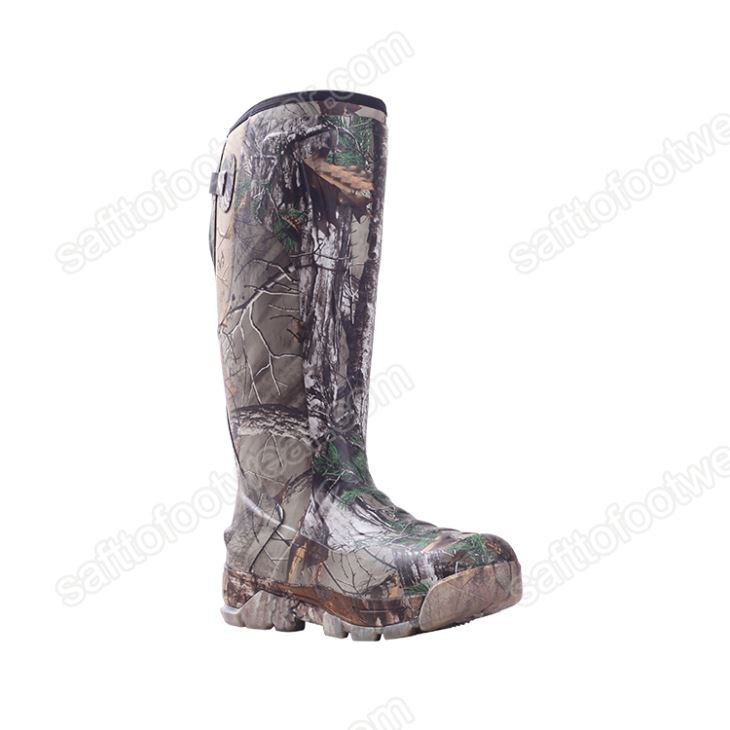
If you are interested in purchasing our wetland rubber hunting boots or have any questions about our products, we invite you to contact us for a procurement discussion. We look forward to serving you and helping you make the most of your hunting adventures in wet grasslands.
References
- American Wetlands Association. (2020). Ecology of Wet Grasslands.
- International Rubber Study Group. (2021). Properties and Applications of Rubber in Outdoor Gear.
- Hunting Equipment Review Magazine. (2022). A Comparative Analysis of Hunting Boots for Different Terrains.