

Are neoprene hunting boots suitable for all types of hunting? That's a question I get asked a lot as a supplier of Neoprene Hunting Boots. And let me tell you, it's not a simple yes or no answer. There are a bunch of factors to consider, like the type of hunting you're doing, the terrain you'll be in, and the weather conditions. So, let's dive in and take a closer look.
First off, what the heck is neoprene? Neoprene is a synthetic rubber material that's known for being super flexible, waterproof, and insulating. It's used in all sorts of stuff, from wetsuits to laptop sleeves. In the world of hunting boots, neoprene is a popular choice because it can keep your feet dry and warm in even the nastiest conditions.
One of the biggest advantages of neoprene hunting boots is their waterproofness. If you're hunting in wet areas, like marshes, swamps, or rainy forests, you don't want your feet to get soaked. Wet feet can lead to blisters, cold, and even hypothermia. Neoprene boots create a tight seal around your feet and ankles, preventing water from seeping in. So, whether you're wading through a stream or walking in the rain, your feet will stay dry.
Another plus is the insulation. Neoprene has good thermal properties, which means it can keep your feet warm in cold weather. This is especially important if you're hunting in the winter or in cold climates. You don't want your toes to freeze off while you're out in the field. Neoprene boots can help trap body heat and keep your feet at a comfortable temperature.
Flexibility is also a big selling point. Neoprene is a very stretchy material, which allows the boots to move with your feet. This is great for activities that require a lot of movement, like stalking or climbing. You won't feel restricted by your boots, and you'll be able to move more freely and quietly.
But here's the thing, neoprene hunting boots aren't perfect for every type of hunting. For example, if you're hunting in extremely hot and dry conditions, neoprene boots might not be the best choice. Since neoprene is a good insulator, it can also make your feet sweat a lot. And if your feet are sweating and the sweat can't evaporate, it can lead to a breeding ground for bacteria and fungus, which can cause foot odor and other problems.
Also, if you're doing a lot of hiking on hard, rocky terrain, neoprene boots might not provide enough support. The soles of neoprene boots are usually softer and more flexible than those of traditional leather or rubber boots. While this is great for some types of hunting, it might not be ideal for long hikes or when you need extra stability.
Let's talk about different types of hunting and how neoprene boots stack up.
Waterfowl Hunting
Waterfowl hunting is one area where neoprene boots really shine. As I mentioned earlier, they're waterproof, so you can wade through water without getting your feet wet. And since waterfowl hunting often takes place in cold, wet environments, the insulation of neoprene boots is a huge plus. You can stand in the water for hours without your feet getting cold. Plus, the flexibility of neoprene allows you to move around easily in the marsh or blind. Check out our Mens Hunting Rubber Rain Boots for a great option for waterfowl hunting.
Deer Hunting
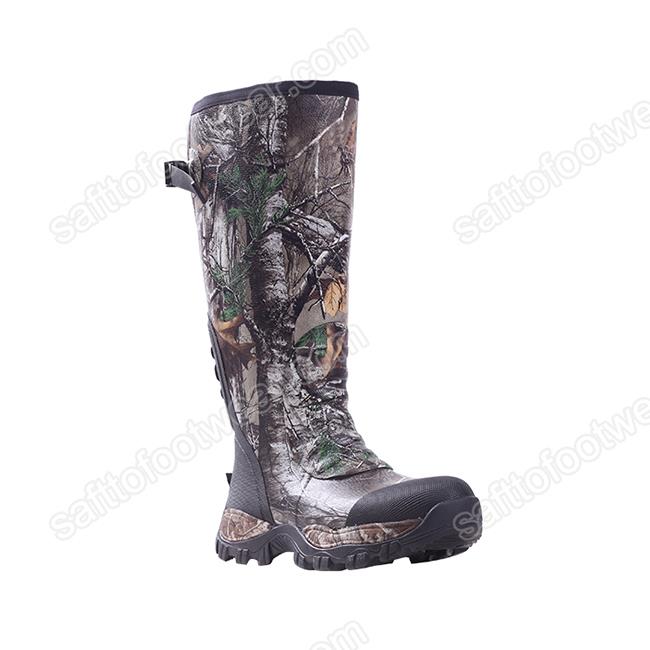
Deer hunting can take place in a variety of terrains, from forests to open fields. If you're hunting in a wet forest or near a stream, neoprene boots can be a good choice. They'll keep your feet dry and warm, and the flexibility will allow you to move quietly through the underbrush. However, if you're doing a lot of long-distance hiking in hilly or mountainous areas, you might want to consider a boot with more support. Our Mens Camo Outdoor Rubber Hunting Boots are a good option for deer hunting in different terrains.

Upland Bird Hunting
Upland bird hunting usually involves a lot of walking and running through fields and grasslands. In this case, the flexibility of neoprene boots can be an advantage. You can move quickly and easily without feeling weighed down. However, since the terrain is usually dry, you might not need the waterproof feature as much. But if there's a chance of rain or if you'll be walking through dew-covered grass, neoprene boots can still be a good choice.
Big Game Hunting in Cold Climates
For big game hunting in cold climates, like hunting elk or moose in the mountains during the winter, neoprene boots can be a lifesaver. The insulation will keep your feet warm in sub-zero temperatures, and the waterproofness will protect you from snow and ice. Just make sure you choose a boot with a good sole for traction on slippery surfaces. Our Natural Rubber Hunting Boots are a great option for this type of hunting.
In conclusion, neoprene hunting boots have a lot of great features that make them suitable for many types of hunting. But they're not a one-size-fits-all solution. You need to consider the specific conditions of your hunt and your personal preferences. If you're not sure which type of boot is right for you, feel free to reach out to us. We've been in the business for a long time, and we can help you find the perfect pair of neoprene hunting boots for your needs. Whether you're a seasoned hunter or just starting out, we're here to make sure you have the best gear possible. So, if you're interested in purchasing our neoprene hunting boots, don't hesitate to contact us for a procurement discussion. We're looking forward to working with you!
References
- "Hunting Boot Buying Guide" - Outdoor Life Magazine
- "The Science of Neoprene" - Rubber Manufacturer's Association